
7 Tips for Choosing the Right Booster Pump

Time:2026-11-11 Author:Mason
0%

When pressure fades at an upstairs shower, garden line, or workshop tap, the problem feels immediate. A Booster Pump can restore useful pressure, but choosing one by horsepower alone is a common mistake. The right unit must match the required flow, pressure increase, water source, pipe layout, and daily demand. Small details matter. A narrow pipe, clogged filter, or undersized supply line can limit performance, even when the pump looks powerful on paper. That part is easy to overlook.

This guide offers seven practical checks for choosing a Booster Pump for the job, not just the product label. It covers flow rate and total head, pump type, materials, controls, energy use, noise, installation conditions, and maintenance access. Manufacturer performance curves and product manuals are more dependable than broad claims, so compare specifications at the operating point you actually need. If demand varies during the day, a variable-speed model may help, though its controls can add cost and complexity. Not every system needs one. Check the source supply and existing pressure before sizing; a pump cannot overcome every upstream limitation. A qualified installer can verify calculations and recommend suitable safeguards. The best choice is rarely the biggest. It is the one that delivers steady pressure without excess cycling, noise, or wasted energy. Some details may still need field testing.
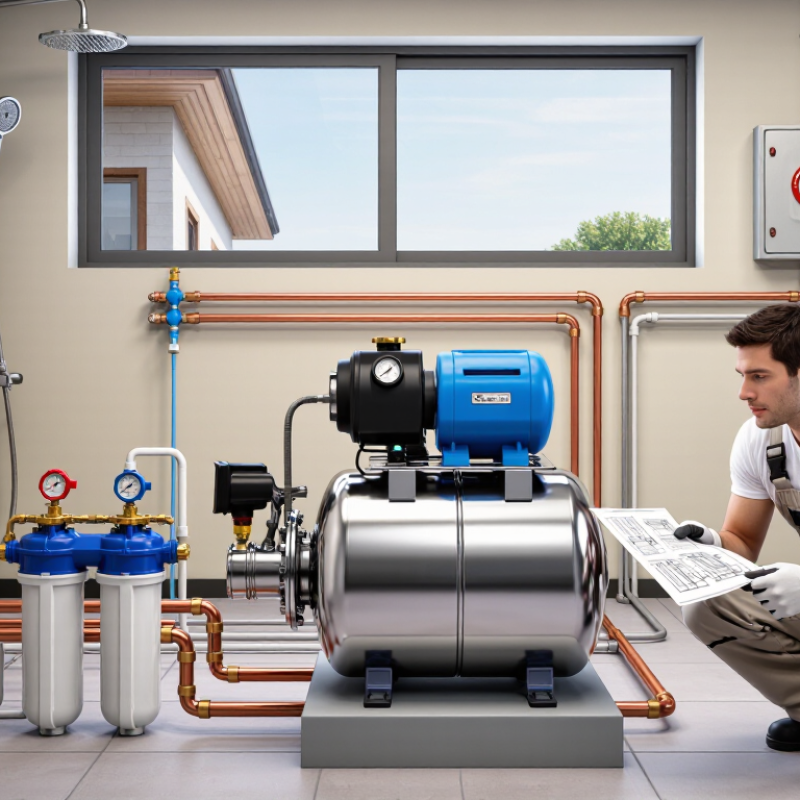
7 Tips for Choosing the Right Booster Pump

Understanding What a Booster Pump Does

7 Tips for Choosing the Right Booster Pump

Understanding What a Booster Pump Does

A booster pump increases water pressure when the supply cannot deliver enough force to fixtures or equipment. It does not create water or repair a restricted pipe. Think of a shower that weakens when another tap runs, or an upper floor where faucets barely flow. A pump can help, but it may not be the right fix. Low pressure can also come from leaks, clogged filters, undersized pipes, or a failing pressure regulator. Check the cause before choosing equipment.

Tip: Note the pressure and flow rate at the problem fixture, both during quiet periods and peak use. A pressure gauge can show static pressure, but flow matters too. Record how many outlets may run together. These simple observations help a pump match real demand, rather than an optimistic guess.

A booster system typically uses a pump, controls, and sometimes a pressure tank to maintain useful pressure as demand changes. The right setup depends on the incoming supply, required flow, pipe layout, and how much pressure the system can safely handle. Too much pressure can stress fittings and appliances. It may also make water hammer worse. Ask a qualified plumbing professional to assess the installation and confirm suitable pressure limits. One detail is easy to overlook: pumps need adequate incoming water, so boosting a starved supply can cause poor performance.

Assessing Your Water Pressure and Flow Requirements

Before choosing a booster pump, measure pressure where the problem occurs. A pressure gauge attached to an outdoor tap can show static pressure when no water is running. Then open a nearby tap and watch the reading change. That drop matters. A shower that weakens when a washing machine fills may point to limited flow, not simply low static pressure.

Flow matters too. Place a five-gallon bucket under a tap and time how long it takes to fill. Divide five by the number of minutes to estimate gallons per minute. Repeat the test at the fixtures you use most, such as a kitchen sink and an upstairs shower. These simple checks are useful, but they are not perfect; faucet aerators and pipe restrictions can affect the result.

List which fixtures may run together, then compare their combined demand with your measured flow and the pressure they need. Avoid choosing a pump based only on a high advertised pressure figure. A pump that is too powerful can create noisy pipes or excessive pressure, while one that is too small may not improve several fixtures at once. If readings vary widely, or pressure remains poor with one tap open, have the plumbing and supply checked before sizing the pump.

Matching Pump Capacity to Your System

Matching pump capacity means matching the pump to the system’s actual flow and pressure needs, not choosing the largest unit available. Estimate peak flow from fixtures or process demand, then calculate total dynamic head: elevation, pipe friction, and losses through valves, filters, and fittings. A dirty filter can change the duty point. So can a longer pipe run. Small details matter.

Compare that duty point with the pump curve, and check whether it falls near the pump’s best efficiency point. The U.S. Department of Energy’s Improving Pumping System Performance: A Sourcebook for Industry reports that pumping systems can account for 25–50% of electricity use in some industrial facilities. That range is a warning: poor matching can waste substantial energy. Measure flow and pressure where possible, and include realistic peak demand rather than guessing from pipe size alone. Oversizing may seem safer, but it can cause throttling, noise, and unnecessary power use. A rule of thumb helps with a first estimate; it is not a substitute for system measurements. In practice, demand can be uneven, and an estimate may need revising after installation.

Checking Water Source, Pipe Size, and Installation Conditions

Before comparing pump ratings, check what the water source can actually supply. A booster pump cannot create water that is not available. Note the source’s flow rate and pressure while several taps are running, not just when the system is idle. If the supply comes from a well or storage tank, confirm its sustainable output and level changes. A pump that draws too aggressively may cause poor performance or damage connected equipment. Small details matter.

Measure the pipe’s inside diameter, length, and number of bends. Narrow or long runs add friction, so the pressure at the pump outlet may not reach distant fixtures. Match the pump to the flow and pressure your household needs, while checking the manufacturer’s operating limits. A larger pump is not automatically better; it can create excess pressure, noise, or frequent cycling. Measure twice. I have seen a tidy-looking connection mislead people when the pipe itself was undersized.

Installation conditions matter as much as specifications. Choose a dry, accessible spot close to the water source, with enough room to inspect fittings and service the unit. Check whether the pump requires a flooded suction, a particular mounting position, or protection from freezing. Plan for shutoff valves and a pressure gauge where they can be reached. Allow for vibration and drainage, too. It is easy to overlook access until a leak appears. Have a qualified installer check electrical supply, grounding, and local requirements before operation.

Comparing Pump Types, Controls, and Maintenance Needs

Choose a booster pump around the building’s real demand, not its highest possible flow. Record peak and quiet-hour use, required pressure, and the number of fixtures running together. Centrifugal pumps suit steady, higher-flow service; multistage designs can provide greater pressure in compact spaces. For uneven demand, compare a variable-speed unit with a fixed-speed pump and pressure tank. Small details matter.

Controls affect comfort and energy use. A pressure sensor can adjust output as taps open and close, while a poorly placed sensor may cause cycling or pressure swings. The U.S. Department of Energy’s 2006 Improving Pumping System Performance sourcebook estimates that pumping systems use nearly 20% of global electricity. That figure covers many applications, but it shows why sizing and control deserve attention. A variable-frequency drive can help match output to demand; it is not automatically the best choice if the system rarely varies.

Check maintenance needs before selecting a type. Ask whether seals, bearings, strainers, and pressure sensors are easy to inspect, and leave room to remove the motor. Listen for rattling, watch for leaks, and note pressure changes during routine checks. Not always. Water quality and installation matter, too: sediment can wear components, while trapped air can make a sound pump seem faulty. Compare service intervals and spare-part availability, then revisit the choice after observing actual demand.

7 Tips for Choosing the Right Booster Pump - Comparing Pump Types, Controls, and Maintenance Needs

Tip What to compare Practical guidance Controls and maintenance
1. Define the required flow and pressure Peak flow rate, required outlet pressure, and pressure losses through pipes, filters, valves, and elevation changes. Estimate simultaneous demand and calculate the total dynamic head. Select a pump whose performance curve meets the duty point; avoid sizing from pipe diameter or motor power alone. Check pressure readings and operating conditions periodically. A pressure gauge and flow measurement help identify changes in system performance.
2. Match the pump type to demand Single-stage centrifugal, multistage centrifugal, or a packaged booster set. Single-stage designs often suit moderate pressure increases. Multistage pumps can provide higher pressure in a compact arrangement. Packaged sets may use multiple pumps to serve variable or larger demand. Review access to seals, bearings, and strainers. For multi-pump systems, check that lead/lag sequencing and standby operation are configured correctly.
3. Choose suitable control technology Fixed-speed pressure-switch control versus variable-speed control using a pressure sensor and drive. Fixed-speed systems are generally simpler. Variable-speed systems adjust motor speed as demand changes and can help maintain steadier pressure; actual energy savings depend on the system and duty profile. Verify sensor readings, setpoints, alarms, and drive ventilation. Follow the specified electrical protection and commissioning procedures.
4. Check the water supply and suction conditions Inlet pressure, supply capacity, suction lift, water temperature, and risk of air entry or cavitation. Confirm that the source can supply the required flow and that available suction pressure is adequate. A booster pump should not be used to draw from a source beyond its permitted suction conditions. Inspect inlet strainers, isolation valves, and joints for blockage or air leaks. Unusual noise, vibration, or fluctuating pressure warrants investigation.
5. Consider a pressure tank where appropriate Demand pattern, pump start frequency, system volume, and the control method. A correctly sized pressure tank can reduce short cycling in some systems and provide a small reserve of pressurized water. It does not replace a pump sized for peak demand. Check the tank’s pre-charge and condition according to its instructions, with the water side depressurized when required. Investigate frequent starts or loss of pressure.
6. Select materials for the fluid and environment Water quality, temperature, corrosion exposure, solids, and any applicable potable-water requirements. Confirm that wetted materials and seals are suitable for the fluid and operating conditions. For potable-water service, check local requirements and relevant approvals. Inspect for leakage, corrosion, deposits, and seal wear. Cleaning or flushing intervals depend on water quality and the system design.
7. Compare lifecycle needs, not just purchase cost Energy use, expected operating hours, service access, spare parts, noise, and maintenance requirements. Compare expected operating costs and service needs over the intended life of the system. Provide adequate clearance, a stable foundation, and suitable isolation valves for servicing. Use a maintenance schedule based on the installation manual and operating conditions. Periodically check for leaks, abnormal noise or vibration, loose connections, and changes in pressure or flow.

FAQS

How can I tell whether my water pressure is low?

Attach a pressure gauge to an outdoor tap. Record the reading with no water running, then open another tap and watch it fall. That change matters.

How do I estimate water flow at a tap?

Fill a five-gallon bucket and time the process. Divide five by the minutes taken to estimate gallons per minute. Repeat at a kitchen sink or upstairs shower. Not exact.

Why does my shower weaken when another appliance runs?

The problem may be limited flow, not low static pressure. Compare the demand from fixtures that run together with your measured supply.

Should I choose a pump based on its highest pressure rating?

No. An oversized pump can cause noisy pipes, excessive pressure, or frequent cycling. An undersized pump may not help several fixtures at once.

What should I check about my water source?

Measure its pressure and flow while several taps are running. For a well or storage tank, check sustainable output and changing water levels. A pump cannot create water.

How do pipe dimensions affect pump performance?

Long runs, narrow pipes, and many bends add friction. Pressure at the pump may not reach a distant shower. Measure the pipe’s inside diameter and length.

Where should a booster pump be installed?

Choose a dry, accessible spot near the water source. Leave room to inspect fittings, service the unit, and reach shutoff valves and a pressure gauge.

What installation details should I verify before operation?

Check suction and mounting requirements, freeze protection, vibration, and drainage. Have a qualified installer review electrical supply, grounding, and local requirements. Access is easy to forget.

Conclusion

Choosing the right Booster Pump begins with understanding its purpose: it increases water pressure or flow when the existing supply cannot meet demand. Before selecting a pump, assess the pressure and flow needed at each point of use, considering how many outlets may operate at the same time. These requirements help determine the pump capacity that will support your system without choosing a unit that is unnecessarily powerful or poorly suited to the job.

Next, check the water source, pipe size, and installation conditions, since these can affect pump performance and compatibility. Compare available pump types and consider which controls best match your desired operation, such as automatic pressure response or manual management. Also account for maintenance needs, access for servicing, and the conditions where the pump will be installed. Evaluating these factors together can help you choose a dependable solution that fits your water system and everyday needs.

Mason

Mason

Mason is a seasoned marketing professional with a deep expertise in the company's offerings and a passion for driving brand awareness. With a strong background in digital marketing strategies, he has an innate ability to connect with diverse audiences and effectively communicate product benefits.......