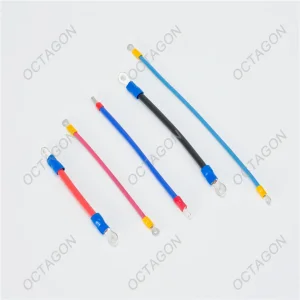
Die Casting Mold Parts: The Foundation of High-Volume Production
In the demanding world of modern manufacturing, the precision and reliability of die casting mold parts are paramount. These critical components form the backbone of high-volume production for automotive, aerospace, electronics, and consumer goods industries. As a leading manufacturer and factory, we provide unparalleled expertise in designing, engineering, and producing these essential parts, ensuring optimal performance, longevity, and cost-effectiveness for our global clientele.
Uncompromising Precision
We specialize in manufacturing die casting mold parts with tolerances as tight as ±0.002 mm, ensuring perfect fits and flawless operation in complex molding processes.
Superior Material Quality
Leveraging advanced material science, we select and machine high-grade tool steels and alloys that offer exceptional wear resistance, thermal conductivity, and durability under extreme conditions.
Advanced Manufacturing
Our state-of-the-art CNC machining centers, EDM, and precision grinding equipment, operated by highly skilled technicians, guarantee the highest quality standards for every part.
Custom Engineering
We don't just manufacture parts; we engineer solutions. Our experienced team collaborates with clients to design custom mold components that optimize cycle times and enhance product quality.
Evolving Trends in Die Casting Mold Parts Manufacturing
The die casting mold parts industry is continuously evolving, driven by demands for higher efficiency, sustainability, and increasingly complex component designs. Staying at the forefront of these trends is crucial for manufacturers and their clients.
Advanced Materials & Coatings
Exploration and implementation of new alloys and high-performance coatings (like PVD and CVD) to enhance wear resistance, reduce friction, and extend mold lifespan.
Intelligent Mold Design
Integration of simulation software and AI for optimizing mold flow, cooling channels, and gate/runner design, leading to faster cycle times and improved part integrity.
Additive Manufacturing Integration
Selective use of 3D printing for complex inserts, conformal cooling channels, or rapid prototyping of mold components, enabling unprecedented design freedom.
Data-Driven Quality Control
Implementation of advanced metrology and sensor technologies for real-time monitoring and feedback loops, ensuring consistent quality and predictive maintenance.
Sustainable Manufacturing Practices
Focus on energy-efficient processes, waste reduction, and the use of recyclable materials to meet growing environmental regulations and corporate sustainability goals.
Miniaturization and Complexity
Increasing demand for micro-molding components and intricate designs for advanced applications in electronics, medical devices, and miniaturized consumer products.
Global Enterprise Procurement Demands for Die Casting Mold Parts
Today's global enterprises seek more than just suppliers; they require strategic partners who can offer consistent quality, scalability, cost control, and innovation.
Consistent Quality Assurance
Enterprises demand rigorous quality control systems, certifications (like ISO 9001), and transparent inspection processes to ensure part reliability and reduce risk.
Scalability and Capacity
The ability to scale production up or down rapidly to meet fluctuating market demands and large-volume orders is a critical requirement for global manufacturers.
Collaborative Design & Engineering
Partnerships that extend beyond manufacturing, offering co-design, value engineering, and proactive problem-solving to optimize mold performance and cost.
Supply Chain Resilience & Transparency
Robust supply chain management, ethical sourcing, and clear communication are essential for mitigating disruptions and ensuring timely delivery across international borders.
Cost-Effectiveness & Total Cost of Ownership
Focus on competitive pricing coupled with a long-term perspective, considering factors like mold lifespan, maintenance, and production efficiency to minimize overall ownership costs.
Technological Advancement & Innovation
Sourcing from manufacturers who invest in the latest technologies, materials, and manufacturing processes to drive innovation and competitive advantage.
China Factory 4.0: Supply Chain Resilience & Efficiency Advantages
Leveraging the strengths of "Made in China 4.0," our operations integrate advanced automation, data analytics, and smart manufacturing principles to deliver unmatched supply chain resilience and operational efficiency for die casting mold parts.
Smart Automation
Deployment of robotic systems and automated production lines for consistent quality, higher throughput, and reduced human error in mold part manufacturing.
Data-Driven Operations
Real-time data monitoring and analysis across the production floor enable predictive maintenance, process optimization, and immediate quality control interventions.
Lean Manufacturing Principles
Application of lean methodologies to minimize waste, reduce lead times, and streamline workflow, ensuring cost-effective production without compromising quality.
Mass Customization Capabilities
Flexible production systems that can handle both large-scale orders and intricate custom part designs, meeting diverse client specifications efficiently.
Integrated Supply Chain Ecosystem
Strong partnerships with raw material suppliers and logistics providers, creating a seamless and resilient ecosystem for timely material sourcing and global distribution.
Skilled Workforce & Continuous Training
A highly trained and continuously updated workforce equipped with the knowledge to operate advanced machinery and adhere to stringent quality standards.
The Global Commercial & Industrial Landscape for Die Casting Mold Parts
The global market for die casting mold parts is dynamic, influenced by macro-economic trends, technological advancements, and regional manufacturing strengths.
Automotive Dominance
The automotive sector remains the largest consumer, driving demand for engine components, structural parts, and interior elements produced via die casting.
Aerospace & Defense Growth
Increasing use of lightweight, high-strength alloys in aerospace and defense applications is fueling demand for precision-engineered mold components.
Electronics & Consumer Goods Expansion
The burgeoning electronics market and demand for sophisticated consumer products require highly precise and often complex mold parts for casings and components.
Medical Device Advancements
The medical industry's need for biocompatible materials and sterile production environments drives demand for specialized, high-purity mold parts.
Regional Manufacturing Hubs
Asia, particularly China, remains a powerhouse for mold part manufacturing due to its robust infrastructure, skilled labor, and competitive pricing, complemented by established capabilities in Europe and North America for high-end, specialized needs.
Sustainability as a Driver
Growing emphasis on eco-friendly manufacturing processes and materials is influencing material selection and production techniques across the industry.
Localized Application Scenarios for Die Casting Mold Parts
The versatility of die casting allows our mold parts to serve a wide array of localized applications, each with unique material and performance requirements.
Automotive Industry
Transmission housings, engine blocks, wheel rims, interior trim components, and structural parts demanding high strength, precision, and thermal stability.
Aerospace & Defense
Lightweight structural components, engine parts, and complex assemblies requiring specialized alloys and extremely high tolerances for critical applications.
Electronics & Telecommunications
Housings for smartphones, laptops, networking equipment, and consumer electronics, often requiring intricate details and aesthetic finishes.
Medical Devices & Healthcare
Components for surgical instruments, diagnostic equipment, and prosthetics, demanding biocompatible materials and exceptional cleanliness.
Consumer Goods
Parts for appliances, power tools, furniture hardware, and recreational equipment, balancing cost-effectiveness with durability and design.
Industrial Machinery
Pump casings, motor housings, valve bodies, and structural components for manufacturing equipment and automation systems.
Frequently Asked Questions (FAQ) for Die Casting Mold Parts
What are the typical materials used for die casting mold parts?
Common materials include tool steels like P20, H13, and S7, chosen for their hardness, wear resistance, and ability to withstand high temperatures and pressures associated with die casting.
What is the typical lifespan of a die casting mold part?
The lifespan varies significantly based on material, part complexity, production volume, and maintenance. High-quality, well-maintained mold parts can last for hundreds of thousands or even millions of cycles.
What is E-E-A-T and how does it apply to die casting mold part manufacturing?
E-E-A-T (Experience, Expertise, Authoritativeness, Trustworthiness) is a Google ranking factor. For die casting mold parts, it means demonstrating practical experience with materials and processes, deep technical expertise in design and machining, authoritative knowledge of industry standards, and trustworthiness through transparent communication, certifications, and consistent quality.
How does semantic search impact sourcing die casting mold parts?
Semantic search focuses on understanding the intent and context behind queries. Sourcing mold parts now involves searching for solutions to specific problems (e.g., "mold parts for high-pressure aluminum casting to reduce porosity") rather than just keywords. Manufacturers must provide content that addresses user intent comprehensively.
What is "information gain" in this context?
Information gain refers to providing valuable, unique, and comprehensive information that users cannot easily find elsewhere. For us, it means offering detailed insights into material science, advanced manufacturing techniques, market trends, and problem-solving strategies related to die casting mold parts, thereby establishing competitive advantage.
What is user intent mining, and how do you apply it?
User intent mining is the process of understanding what users are trying to achieve when they search. We analyze search queries and user behavior to identify needs related to specific applications, material challenges, cost reduction goals, or performance improvements for die casting mold parts, and then tailor our content and offerings accordingly.
Can you provide custom solutions for specific die casting applications?
Absolutely. Our engineering team excels at collaborating with clients to develop bespoke mold parts tailored to unique application requirements, material challenges, and performance objectives.
Featured Die Casting Mold Parts
Explore a selection of our high-precision die casting mold parts, engineered for durability and optimal performance.
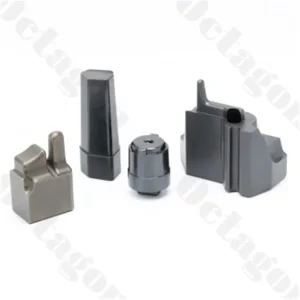
Custom Die Casting Mold Parts
High-quality non-standard components from a leading factory.
View Details
Custom China Die Casting Mold Parts
High-quality non-standard components from a leading factory.
View Details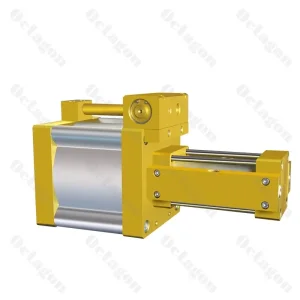
High-Quality Mold Components
Precision components for various die casting applications.
View Details