
Top High Pressure Booster Pumps for Global Buyers

Time:2026-11-11 Author:Isabella
0%

High-Pressure Booster pumps help raise water pressure where supply lines, tall buildings, or demanding processes need more consistent flow. Yet choosing one is not a matter of picking the highest pressure rating. The right model must match the actual duty point: required flow, inlet pressure, discharge pressure, fluid temperature, and operating hours. A pump that looks powerful on a catalogue page may perform poorly in a real installation.

This guide compares leading options for global buyers, with attention to capacity, materials, controls, service access, and supplier support. A useful engineering reminder, offered here as an illustrative quote by fictional pump specialist Daniel Mercer, is: “Choose for the duty point, not the biggest number on the nameplate.” That distinction matters when checking a performance curve or sizing a motor. So does the installation detail: pipe diameter, available space, noise limits, and the location of the nearest service team.

There is no universal winner. A compact booster may suit a small commercial building, while an industrial site may need staged pumps, variable-speed control, or corrosion-resistant components. Buyers should verify published test data and ask suppliers how performance changes under their real operating conditions. Ask specific questions. Compare warranties and spare-part availability, too. Even careful selection has limits: site conditions can differ from early estimates, and I would revisit assumptions before placing a large order.
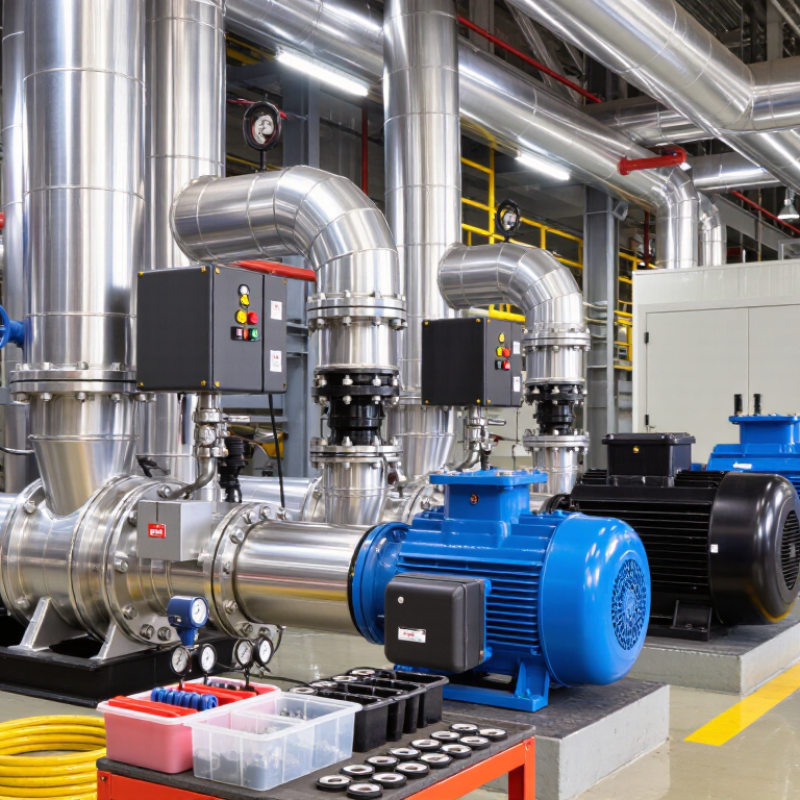
Top High Pressure Booster Pumps for Global Buyers

High-Pressure Booster Pump Basics: 1 bar Equals About 10.2 m of Water Head

For water, 1 bar of pressure corresponds to about 10.2 meters of water head. That is roughly the height of a three-story building. A useful shortcut. The conversion helps turn a pressure reading into an equivalent vertical lift, but it is an approximation based on water’s density.

A booster pump must provide enough pressure difference between its inlet and outlet. If inlet pressure is 2 bar and the target outlet pressure is 5 bar, the pump needs to add about 3 bar, or 30.6 meters of head, before system losses. Pipe friction, elbows, filters, and elevation changes all use part of that allowance. A gauge near the pump may look fine while a distant tap still runs weakly.

Treat the 10.2-meter figure as a starting point, not a complete sizing method. Flow rate matters: friction losses usually increase as more water moves through the same pipe. Fluid temperature and density can also affect the conversion. The easy mistake is focusing only on pressure. Check the pump curve at the required flow, and allow for losses across the actual installation. That extra allowance should be calculated, not guessed.

Sizing by Duty Point: Required Flow Rate and Differential Pressure

For a booster pump, define the duty point using the flow rate required while the system is operating and the differential pressure needed at that flow. Do not size from the building’s total fixture count alone. Estimate simultaneous demand, then check it against actual operating patterns, such as morning peaks or irrigation cycles. Measure it twice.

Differential pressure is the pump’s discharge pressure minus its suction pressure. Include the pressure needed at the highest or most demanding outlet, plus losses through pipework, filters, valves, and fittings. A narrow pipe run or partially clogged filter can change the result. Convert pressure to head using the fluid’s density, especially when the pumped liquid is not water.

Compare the calculated duty point with the pump curve, not just the maximum flow or maximum pressure listed on a specification sheet. The selected model should deliver the required flow at the required differential pressure. A large safety margin may seem reassuring, but oversizing can cause unstable pressure, noise, or frequent cycling. Small details matter. During commissioning, record suction and discharge readings while the system is drawing water; no calculation fully replaces a real operating check. Even a tidy spreadsheet can miss an overlooked valve or a demand pattern that changes by season.

Pump Technologies and Materials: Multistage Centrifugal and Positive-Displacement Designs

High-pressure booster pumps use two main approaches: multistage centrifugal or positive displacement. In a multistage centrifugal design, rotating impellers add pressure in steps. This suits steady water demand, such as feeding a boiler or maintaining pressure across a tall building. Flow matters more. If demand changes sharply, the pump may operate away from its efficient range and waste energy.

Positive-displacement pumps move a set volume with each cycle. They can suit variable flow or thicker liquids, but their output may pulse. A correctly sized relief valve is essential because pressure can rise quickly if the discharge line is blocked. Not always. A smoother flow is not automatically the better choice.

Materials deserve equal attention. Stainless steel may work well in many water services, while chloride levels, temperature, and suspended grit can change the choice. Check wetted parts, seals, and elastomers against the actual liquid, not just a general pump description. On site, suction conditions, a pressure gauge, and vibration readings reveal problems a datasheet may miss. That detail is easy to overlook. Even a sound material selection can disappoint if the pump runs dry or draws air.

Hydraulic Verification: NPSH3 at a 3% Head Drop and ISO 9906 Testing

For high pressure booster pumps, NPSH3 gives buyers a practical reference for suction-side performance. It is the net positive suction head at which pump head has fallen by 3% because of cavitation. On a multistage unit, that small loss can matter: the first stage may be affected before downstream stages show obvious trouble. Check the tested flow, speed, and liquid temperature against the intended duty point. Numbers without those conditions are hard to compare.

ISO 9906 provides a framework for hydraulic acceptance testing, including defined measurement procedures and tolerance grades. Confirm the agreed grade and test scope before comparing offers; an ISO reference alone does not mean every pump received the same test. During a witnessed test, record flow, discharge pressure, suction pressure, speed, and temperature. For NPSH verification, reduce inlet pressure in controlled steps and observe the head curve for the 3% drop. Keep the instruments calibrated. Small errors at the suction gauge can shift the reported margin.

A neat test sheet can still hide a weak assumption. Ask whether the quoted NPSH3 applies at the actual operating flow, not merely near the pump’s best-efficiency point. Also review the available site suction head, including pipe losses and liquid-level changes. Leave a reasonable margin. It is easy to overlook. A pump that passes a factory test may still struggle if the installation has a restrictive inlet line or warmer liquid than the test setup.

Top High Pressure Booster Pumps for Global Buyers

Hydraulic Verification: NPSH3 at a 3% Head Drop and ISO 9906 Testing

The chart shows the NPSH3 definition using normalized head: the endpoint is 97% of reference head, a 3% reduction. These are definition-based values, not results from a specific pump test. ISO 9906 provides a framework for pump performance acceptance testing; consult the applicable test specification for project requirements.

Global Motor Efficiency Benchmarks: IE3 and IE4 Classes Under IEC 60034-30-1

Global buyers comparing high-pressure booster pumps should read IE3 and IE4 ratings carefully. IEC 60034-30-1 classifies the efficiency of eligible electric motors under defined conditions. It does not certify the efficiency of a complete pump set. That distinction matters. An IE4 motor can still consume excess power if the pump runs far from its duty point, cycles frequently, or faces unnecessary pressure losses.

Check the motor nameplate, rated output, pole count, supply frequency, and applicable standard edition before comparing quotations. Confirm whether the quoted efficiency is measured at the stated load and operating conditions. Then review the pump curve against actual demand: a building needing 5 bar at moderate flow has different requirements from a washdown line with sharp flow peaks. Variable-speed control may help, but poor settings can cause unstable pressure or frequent starts. Real installations are messy; commissioning records deserve attention, not just brochure figures.

Tips: Ask for motor test data and a pump performance curve. Compare energy use at your expected operating points, not only at full load. Record pressure and flow after installation, then revisit the settings. IE4 sounds better, but the best choice depends on the whole system.

FAQS

How should I determine a booster pump’s duty point?

Match the required flow rate with the differential pressure needed at that flow. Estimate simultaneous demand, including morning peaks or irrigation cycles. Measure it twice.

What affects the required differential pressure?

Include pressure needs at the highest outlet and losses through pipes, filters, valves, and fittings. A narrow pipe or clogged filter can change the result. Check suction and discharge pressure under operating conditions.

Why should I compare the duty point with a pump curve?

A pump curve shows whether a model can deliver the required flow at the required pressure. Maximum flow or pressure alone can mislead. Oversizing may cause noise, unstable pressure, or frequent cycling.

When might a multistage centrifugal pump be suitable?

It can suit steady demand, such as feeding a boiler or serving a tall building. Sharp demand changes may move it away from its efficient range. Flow matters more.

When might a positive-displacement pump be suitable?

It can suit variable flow or thicker liquids, but output may pulse. A correctly sized relief valve is essential if the discharge line becomes blocked. Pressure can rise quickly.

How should I choose pump materials?

Match wetted parts, seals, and elastomers to the actual liquid. Chloride levels, temperature, and suspended grit can affect material choice. General descriptions are not enough.

What does NPSH3 indicate?

NPSH3 is the suction head at which pump head has fallen by 3% because of cavitation. Compare its tested flow, speed, and liquid temperature with your duty point. Conditions matter.

What should I check during hydraulic testing and commissioning?

Confirm the test scope and tolerance grade before comparing results. Record flow, pressures, speed, and temperature with calibrated instruments. Also check site suction head and inlet losses. A neat test sheet can still miss a weak assumption.

Conclusion

Selecting a High-Pressure Booster pump begins with understanding the relationship between pressure and water head: 1 bar is approximately equal to 10.2 meters of water head. Buyers should define the required duty point by specifying both the flow rate and the differential pressure the system must overcome. These requirements help determine whether a multistage centrifugal design, suited to many continuous-flow applications, or a positive-displacement design better matches the operating conditions.

Performance verification is also essential. Check that the available suction conditions provide an adequate margin over NPSH3, the value associated with a 3% reduction in pump head, and review test results conducted in accordance with ISO 9906. Motor efficiency can affect energy use over the equipment’s service life, so compare applicable IE3 and IE4 efficiency classes under IEC 60034-30-1. A careful evaluation of duty point, pump technology, hydraulic test data, materials, and motor efficiency supports a reliable selection for varied operating needs.

Isabella

Isabella

Isabella is a dedicated marketing professional with a sharp focus on driving brand growth and engagement through strategic content creation. With an extensive background in digital marketing, she combines her passion for storytelling with her keen understanding of industry trends to deliver......