
Industrial Core Solutions
Featured Injection Tooling, Actuation & Subsystem Assemblies
Engineered for high-duty cycles, in-mold timing automation, and mission-critical applications across global tier-1 supply networks.
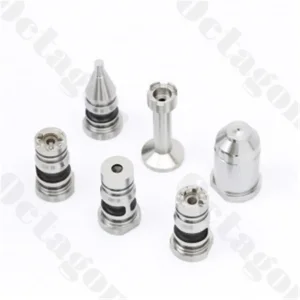
ODM Sprue Bushing: A Key Flow Component in Injection Molds Supplier, Suppliers
Technical Details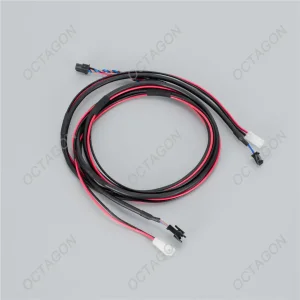
OEM Medical Wiring Harnesses from China - Reliable Suppliers and Factory for Healthcare Applications Manufacturer, Products
Technical Details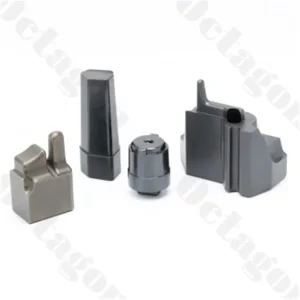
Custom China Die Casting Mold Parts Supplier - High-Quality Non-Standard Components from a Leading Factory Exporters, Product
Technical Details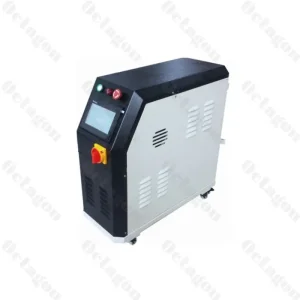
CE Certification China Automation Solution System for Molds by Leading Suppliers and Factory: Complete Process Automation Services Supplier, Products
Technical Details
ODM China Medical Wiring Harnesses Suppliers - Factory for Reliable Healthcare Device Connections Factory, Exporters
Technical Details
Custom China Suppliers Factory Automation Solutions for Efficient Mold Import Process Management Supplier, Product
Technical Details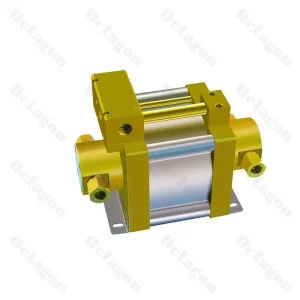
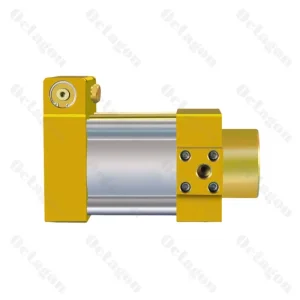
OEM SWB - 160D Octagon Power Boost Gas-Liquid Intensifier Pump from China Suppliers and Factory Factory, Factories
Technical Details
Technical Whitepaper
The Engineering Paradigm of Low-Volume Injection Molding (LVIM)
Demystifying how agile tooling architectures, bridge production economics, and European conformity standards compress time-to-market for high-precision components.
±0.002mm
Ultra-Precision Machining Tolerance
Ra 0.05μm
Optic-Grade Mirror Surface Finish
1k–7kkgf
In-Mold Degating Output Force
60+
Direct Export Destination Markets
In contemporary advanced manufacturing ecosystems, the critical transition between rapid prototyping (additive manufacturing and CNC machining) and high-tonnage multi-cavity mass production is where capital risk and engineering hurdles converge. Low Volume Injection Molding (LVIM), typically ranging from 250 to 50,000 finished parts, has emerged as the definitive bridge strategy. As an ISO 9001-certified and CE-compliant precision manufacturer, our engineering foundation enables OEMs, contract manufacturers, and tier-1 integrators to mitigate risk, secure pilot market entry, and execute rigorous functional verification using genuine end-use thermoplastics.
"True low-volume molding excellence does not compromise on mechanical tolerances or structural integrity. By deploying pre-hardened modular steel inserts, Master Unit Die (MUD) base platforms, and CE-certified auxiliary pneumatic-hydraulic booster actuation, we deliver production-identical parts at a fraction of high-volume capital expenditure."
Achieving rigorous European regulatory approval demands that all auxiliary systems—such as high-pressure gas-liquid booster pumps, in-mold timing control cabinets, and sensor-actuated cutting pins—strictly comply with the European Machinery Directive (2006/42/EC), Low Voltage Directive (2014/35/EU), and Electromagnetic Compatibility Directive (2014/30/EU). Our technical framework bridges the gap between precision Taiwanese tooling craftsmanship and mainland China’s advanced Industry 4.0 production agility, providing complete traceability from raw pellets to final CMM verification reports.
| Evaluation Parameter | Additive Prototyping (3D Print) | Agile Low Volume Injection Molding (LVIM) | Conventional High-Volume Production |
|---|---|---|---|
| Typical Volume Threshold | 1 – 50 Units | 250 – 50,000 Units | 100,000 – 5,000,000+ Units |
| Tooling Steel Selection | Tool-less (Digital additive build) | Al 7075-T6, P20 Pre-hardened, NAK80 | Hardened H13, S136, Stavax (50–54 HRC) |
| Tooling Lead Time | 1 – 3 Days | 7 – 18 Working Days | 8 – 14 Weeks |
| Material Authenticity | Resin photopolymers, sintered PA | 100% Production Grade Resins (PEEK, PC, LCP, PA66) | 100% Production Grade Resins |
| Isotropic Structural Strength | Anisotropic layer adhesion boundaries | 100% Uniform Isotropic Molecular Density | 100% Uniform Isotropic Molecular Density |
| Unit Cost Trajectory | Flat (No economies of scale) | Exponential drop after tool amortization | Lowest theoretical unit price |
| CE & Regulatory Feasibility | Restricted to fit-checks & early models | Fully eligible for clinical & crash-test validation | Commercial baseline qualification |
Smart Manufacturing
China Factory 4.0: Supply Chain Resilience & High-Mix Low-Volume Efficiency
Combining Taiwanese precision tooling methodology with advanced mainland automation clusters to deliver rapid turnaround on complex tooling inserts and custom assemblies.
Digital Twin & Automated CAM Toolpaths
Every bridge tool CAD undergoes comprehensive Moldflow simulation to map volumetric shrinkage, gate vestige, cooling channel thermal efficiency, and shear rate heat dissipation prior to raw block loading. Automated 5-axis Makino and GF AgieCharmilles machining centers ingest toolpaths straight from validated digital twins, preserving tight ±0.002 mm tolerances.
Master Unit Die (MUD) Modular Efficiency
By leveraging standardized universal mold bases and precision interchangeable cavity/core cassettes, we eliminate over 60% of conventional mold base tooling overhead. Customers invest exclusively in part-specific inserts. Standard inserts are interchanged inside production presses within 15 minutes, cutting changeover downtime dramatically.
In-Mold Degating & Hydraulic Automation
Integrated automation systems within the mold leverage proprietary pneumatic-hydraulic intensifiers (1,000 to 7,000 kgf cutting force). Our in-mold automation trims sub-gates, side gates, or sprue orifices prior to mold opening. This ensures pristine part cosmetics, eliminates secondary post-machining labor, and stabilizes part geometry.
Sectors & Deployments
Cross-Sector Solutions for Specialized Low-Volume Programs
From Class III implantable diagnostic housings to high-temperature EV inverter busbar mounts, our low-volume solutions adapt to extreme operating environments.
Medical Diagnostics & Surgical Tools
Molding medical-grade polyetheretherketone (PEEK), cyclic olefin copolymers (COC), and clear polycarbonate inside controlled environments. Applications include microfluidic chips, laparoscopic handles, diagnostic cartridges, and biocompatible medical wiring harness connectors compliant with ISO 13485 cleanroom handling requirements.
Automotive E-Mobility & Autonomous Sensors
Tier-1 automotive programs require rapid validation batches for lidar sensor brackets, battery cell spacer arrays, cooling manifold connectors, and ruggedized wire harnesses. We support UL 94 V-0 flame-retardant polyamides, polyphenylene sulfide (PPS), and PBT with 30% glass fiber reinforcement meeting strict IATF 16949 PPAP submission gates.
Aerospace & Defense Subsystems
Weight-optimized structural brackets, avionics wire retainers, and RF-transparent radome housings. Using high-performance ULTEM (PEI) and Radel (PPSU), we produce low-volume structural elements that fulfill FAR 25.853 flammability, smoke density, and toxic gas emission requirements without the multi-month delay of traditional steel tooling.
Industrial Automation & Smart Energy IoT
Demanding field enclosures, DIN-rail terminal blocks, and pneumatic pump actuator covers. Combining custom die-casting mold inserts, high-reliability booster pump systems, and energy storage wiring collection lines, we provide turnkey electro-mechanical sub-assemblies built to withstand IP67/IP68 environmental ingress.
Engineering Frontiers
Technical Roadmap: The Next Era of Precision Injection Tooling
How additive-subtractive hybrid manufacturing, direct metal laser sintering (DMLS), and AI-driven rheological feedback redefine low-volume tooling efficiency.
DMLS Conformal Cooling Channels
By adopting direct metal laser sintering (DMLS) 3D printing for steel tooling inserts (using maraging steel 1.2709), we manufacture organic conformal cooling channels that closely trace intricate cavity geometries. This achieves uniform thermal extraction, eliminates differential shrinkage warpage, and reduces total molding cycle times by 25% to 40% even on rapid bridge tools.
In-Cavity AI Rheological Telemetry
Modern low-volume presses are equipped with piezoelectric in-cavity pressure and infrared melt temperature sensors. Sensor streams feed back to closed-loop digital controllers, dynamically compensating injection velocity, holding pressure, and switchover points in real time to correct for resin batch viscosity variations.
Bio-Based & Recycled Circular Resins
As global carbon border adjustments (CBAM) take effect, our tooling formulations are pre-engineered to run post-consumer recycled (PCR) polycarbonate, bio-based polyamides, and compostable polylactic blends without accelerated gate erosion or thermal degradation, backed by full environmental product declaration (EPD) metrics.
Regulatory Authority
European Compliance: CE Marking, REACH/RoHS & Risk Mitigation
Comprehensive regulatory roadmaps ensuring every exported mold, pneumatic-hydraulic booster, and auxiliary system guarantees seamless European customs clearance and factory deployment.
Harmonized Directives Compliance
Our automation systems within the mold and pneumatic-hydraulic intensifiers carry genuine CE markings backed by complete Technical Construction Files (TCF). Equipment conforms strictly to the Machinery Directive 2006/42/EC, Low Voltage Directive 2014/35/EU (EN 60204-1 machine electrical safety), and Electromagnetic Compatibility 2014/30/EU.
Material Traceability (REACH / RoHS)
All virgin resin compounds, color masterbatches, and mold release agents comply with EU Regulation (EC) No 1907/2006 (REACH) regarding Substances of Very High Concern (SVHC), and Directive 2011/65/EU (RoHS 3). Every shipment is accompanied by batch-specific certificates of analysis (CoA) and mill test certificates for tool steel.
EU Authorized Representative (EU AR) Support
To assist global buyers and international distribution channels, we facilitate complete technical liaison files, unified Declarations of Conformity (DoC), and full product liability traceability, guaranteeing frictionless customs clearance into all European Economic Area (EEA) member states.
Strategic Sourcing
Global Procurement Guide: Total Cost of Ownership (TCO) & DFM Parameters
A data-backed framework to analyze tool steel durability, unit price break-evens, and critical design features that prevent mold re-spins.
Wall Thickness & Rib Optimization
Nominal wall thickness should maintain ±15% cross-sectional uniformity to prevent sink marks and differential cooling stress. Structural ribs should be designed to 40%–60% of the adjacent nominal wall thickness, paired with a minimum 0.5° to 1.5° draft angle per side to guarantee reliable part ejection without pin punch-through marks.
Tool Steel Lifespan Amortization
Aluminum 7075-T6 tooling offers the lowest upfront cost for batches under 2,500 parts, but exhibits premature wear with glass-filled resins. Pre-hardened P20 steel (28–32 HRC) delivers the optimal TCO sweet spot for 5,000 to 50,000 parts, ensuring robust dimensional stability across high-abrasion engineering resins without the expense of hardened tool steels.
Gate & Ejection Strategy
Sub-gates, edge gates, or valve gate hot runners must be positioned along non-cosmetic surfaces away from high-stress mechanical flex zones. By integrating our in-mold cutting automation systems, gate vestige is trimmed flush inside the tool cavity, eliminating manual secondary de-gating labor costs and scrap risk.
Auxiliary Systems & Components
Precision Booster Equipment, Mold Inserts & Automation Assemblies
Standardized and custom OEM/ODM mechanical components engineered to integrate directly into global mold manufacturing lines.
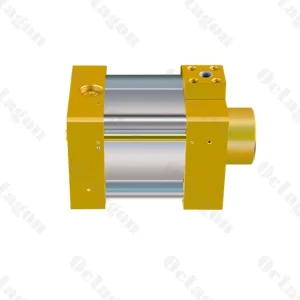
Custom SWB-125S Single-Drive Gas-Liquid Booster Pump - Reliable China Suppliers and Factory Solution Suppliers, Service
Technical Details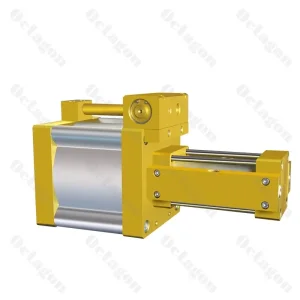
ODM SWP-05 Air Booster Pump: User-Friendly Efficiency from China Suppliers and Factory for Optimal Performance Suppliers, Product
Technical Details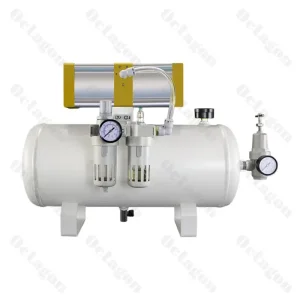
CE Certification Octagon SWP-02A-G Air Booster System Product, Products
Technical Details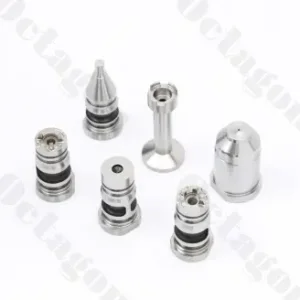
Custom China Mold Inserts: Essential Injection Molding Components from Leading Suppliers and Factory Product, Service
Technical Details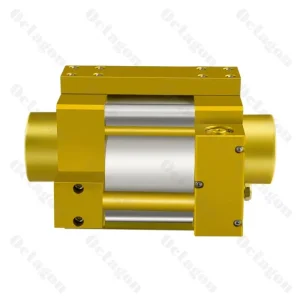
ODM High-Performance Octagon SWB - 125D Pump from China Suppliers | Reliable Factory Solutions Manufacturer, Exporters
Technical Details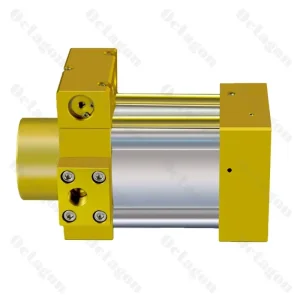
OEM Octagon SWB-80S Gas-Liquid Booster Pump - Efficient Solution from China Suppliers and Factory Products, Service
Technical Details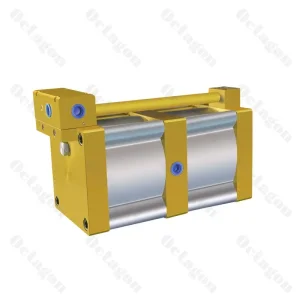
OEM OCTAGON SWP-02B Air Booster Pump: Quality Performance from Leading China Suppliers and Factory Manufacturers, Suppliers
Technical Details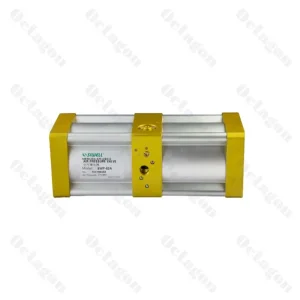
OEM OCTAGON SWP-02A Air Pressure Booster Pump - High-Quality China Suppliers and Factory Product Factory, Exporters
Technical Details
Buyer Intelligence
Frequently Asked Technical & Sourcing Questions
In-depth responses to critical commercial, engineering, and regulatory questions raised by procurement directors and quality assurance managers.
What distinguishes CE-certified low-volume injection molding equipment from non-certified alternatives?
CE certification on auxiliary molding systems (such as high-pressure gas-liquid booster pumps, timing controllers, and in-mold degating actuators) verifies compliance with harmonized European safety directives: Machinery Directive 2006/42/EC, Low Voltage Directive 2014/35/EU, and EMC Directive 2014/30/EU. Non-certified systems often cut corners on pressure-relief failsafes, galvanic insulation, and electromagnetic suppression, exposing plant managers to catastrophic hydraulic bursting, electrical hazards, and rejection by EU factory health-and-safety inspectors.
How do you guarantee dimensional accuracy down to ±0.002 mm across small production batches?
Tight tolerance consistency relies on our Taiwanese engineering oversight coupled with temperature-controlled clean machining centers. We execute rough and finish milling on 5-axis Makino CNCs, followed by precision oil-bath wire-EDM and mirror EDM for spark erosion. Every cavity and core insert undergoes multi-axis coordinate measuring machine (CMM) inspection, laser scanning, and optical profile projector validation in climate-controlled metrology labs prior to T1 trial shots.
Can low-volume injection molding support high-performance engineering plastics like PEEK, PPS, and LCP?
Yes. While aluminum molds often degrade under the high melt temperatures (360°C–400°C) and extreme injection pressures required for semi-crystalline polymers like PEEK and LCP, our modular tooling strategy utilizes pre-hardened P20, NAK80, or specialized beryllium-copper core inserts. These alloys sustain intense thermal cycles, resist chemical abrasion from halogen-free flame retardants, and maintain accurate gate shut-offs throughout runs of 500 to 50,000 units.
What is the standard turnaround time from CAD freeze to first article inspection (FAI)?
By leveraging pre-machined Master Unit Die (MUD) base frames and digital automated toolpaths, standard bridge tooling takes between 7 to 18 calendar days. T1 prototype samples are molded immediately, air-shipped with complete dimensional inspection reports (AS9102 / PPAP Level 3 documentation upon request), material certifications, and raw resin UL yellow cards within 48 to 72 hours of first mold clamping.
How does in-mold automatic cutting reduce Total Cost of Ownership (TCO) in low-volume runs?
Traditional post-mold manual degating incurs labor expenses, part-to-part cosmetic inconsistency, stress cracking, and scrap rates up to 5%–8%. Our proprietary in-mold cutting systems leverage high-pressure pneumatic-hydraulic booster pumps (generating up to 7,000 kgf of output force) to shear gates flush while the plastic resin is still in a semi-molten state inside the closed mold cavity. This produces clean cosmetic surfaces, protects dimensional roundness, and cuts secondary finishing labor by 100%.
What documentation accompanies exported molds, components, and booster systems?
Every export shipment includes comprehensive technical documentation: CE Declaration of Conformity (DoC), 2D/3D mold design schematics (STEP/DWG), raw material Mill Test Certificates (MTC), Certificate of Analysis (CoA) for resins, full CMM dimensional inspection sheets, RoHS/REACH compliance letters, and clear bilingual maintenance/operating safety manuals.