
Precision Engineered Automation & Pressure Enhancement Hardware
Deploying reliable high-pressure pneumatic boost pumps, specialized harness arrays, and modular automation within injection tooling platforms to eliminate manual gate separation and drive automated cycle consistency.
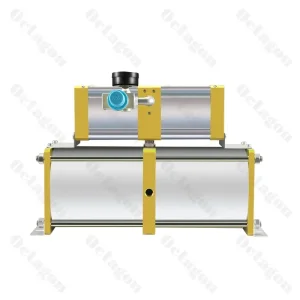
OEM China SWP-02A-G-T Air Booster Pump - Reliable Suppliers for Factory High-Pressure Gas Solutions
Explore Hardware Specs
ODM China SWP-02A-G-T Air Booster Pump - High-Pressure Solutions from Trusted Suppliers
Explore Hardware Specs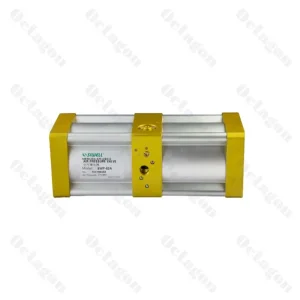
ODM OCTAGON SWP-02A Air Pressure Booster Pump - Top China Suppliers and Factory Solutions
Explore Hardware Specs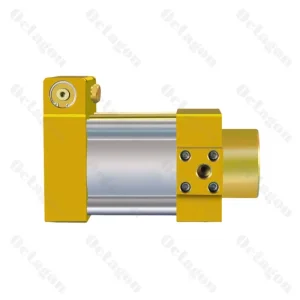
High-Quality China SWB-100S Series Pump from Octagon - High Efficiency Gas-Liquid Booster Pump
Explore Hardware Specs
High-Quality High Efficiency SWB-160S Series Pump - Reliable Gas-Liquid Booster Exporter
Explore Hardware Specs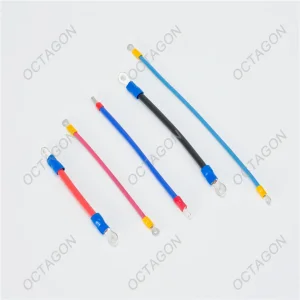
OEM China Energy Storage Collection Lines - Power Stations & EV Batteries Harness Wiring
Explore Hardware Specs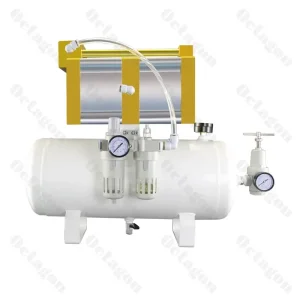
ODM High-Quality Octagon SWP-02B-G Pneumatic Pump - Reliable Factory Automation Pressure
Explore Hardware Specs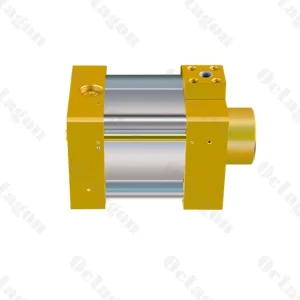
High-Quality SWB-125S Single-Drive Gas-Liquid Booster Pump - Factory Tooling Pressure Solutions
Explore Hardware SpecsBanana Gate Injection Molding: Mechanical Principles & Design Criteria
A comprehensive engineering study on curved submarine gating geometry, viscoelastic resin shearing behavior, automated vestige-free ejection kinematics, and micro-precision insert manufacturing.
Curved Sub-Surface Profile & Radius
Banana gating, alternatively known as cashew gating, curved tunnel gating, or kidney gating, introduces molten resin underneath the tool's parting line directly into the non-visible bottom or side of the molded component. The primary engineering challenge lies in calculating the curved feed radius ($R$) and taper geometry. The channel must maintain an arc that allows the elastomeric polymer to deform and pull out smoothly during the ejection phase without shearing prematurely or snapping inside the insert cavity.
Viscoelastic Shear Rate & Heat Dissipation
Due to the continuous radius and narrowing cross-section of a curved banana gate, high melt velocities induce localized shear heating. If the gate orifice is dimensioned too aggressively, sheer-sensitive polymers such as Polycarbonate (PC), Polymethyl Methacrylate (PMMA), or Polyoxymethylene (POM) undergo molecular degradation, jetting, or silver streaking. Finite element Moldflow analysis must be conducted to keep shear rates below the critical threshold ($\dot{\gamma} < 100,000 \text{ s}^{-1}$) to safeguard mechanical properties.
Automatic Ejection & Clean Shearing Mechanics
Unlike edge gates that necessitate manual trimming, robotic end-of-arm tooling, or secondary degating fixtures, banana gates execute clean gate separation during mold opening. As the ejector plate moves forward, the curved runner geometry stretches elastically through the curved core insert, detaching flush at the gate vestige point. The residual vestige remains strictly controlled below 0.05 mm, perfectly concealed on interior non-cosmetic ribs or bosses.
| Gating System Architecture | Gate Vestige Location | Vestige Height Tolerance | Degating Method | Tooling Complexity | Optimal Polymer Compatibility |
|---|---|---|---|---|---|
| Curved Banana Gate (Cashew) | Sub-surface (Hidden on B-Side/Interior) | < 0.05 mm (Flush / Sub-flush) | Automatic in-mold fracture | High (Split/2-piece EDM core inserts) | ABS, PP, PC/ABS, PA6/PA66 (unfilled), POM |
| Direct Edge Gate | Parting Line / Visible Exterior Perimeter | 0.30 mm – 0.80 mm (Requires trimming) | Manual cutting / Ultrasonic fixture | Low (Standard CNC milling) | All thermoplasts, including 50%+ Glass Filled |
| Pin-Point Gate (3-Plate Mold) | Top Component Surface (A-Side cosmetic) | 0.10 mm – 0.25 mm (Small pip) | Automatic stripping plate separation | Moderate to High (Floating plate design) | Polyolefins, High-flow Styrenics |
| Hot Runner Valve Gate | Perpendicular Wall / Cavity Direct | < 0.02 mm (Virtually zero vestige) | Hydraulic/Pneumatic Pin Shutoff | Very High (Complex manifold, PID thermal) | Broad spectrum, high-volume production |
Technology Roadmap: The Next Evolution in Subsurface Gating
How digital mold simulations, additive manufacturing of curved inserts, and dynamic pressure amplification systems are redefining high-cavitation production limits.
DMLS Direct Conformal Cooling in Curved Inserts
Traditional curved gate inserts suffer from localized heat accumulation because conventional drilled straight cooling lines cannot get close to the banana-shaped runner core. Leveraging Direct Metal Laser Sintering (DMLS) 3D metal printing using high-hardness 1.2709 tool steel, we integrate conformal spiral cooling passages that track within 1.5 mm of the curved runner arch. This thermal optimization drops localized cycle times by 32% and prevents runner sticking caused by soft, unsolidified core centers.
Piezoelectric In-Cavity Gate Freeze Sensing
By positioning miniature piezoelectric pressure and temperature sensors right at the banana gate transition point, real-time closed-loop feedback dynamically synchronizes the injection machine's packing phase. This eliminates over-packing (which leads to gate blushing and stress cracks) and under-packing (which causes sink marks on structural ribs opposite the gate). The telemetry feeds directly into intelligent MES platforms for 100% in-line quality assurance.
PVD Micro-Arc Anti-Wear Frictionless Coatings
To overcome the elevated friction encountered when ejecting filled engineering polymers through curved runners, inserts are coated with specialized Physical Vapor Deposition (PVD) layers like CrN or DLC (Diamond-Like Carbon). Achieving a friction coefficient below 0.1 and a surface microhardness exceeding 3,000 HV, these coatings protect against abrasive wear caused by glass fibers (GF) or carbon fibers (CF), extending the maintenance-free life of curved sub-gate inserts beyond 1.5 million shots.
Macro Industry Solutions: Application Matrix
Where cosmetic excellence, zero-defect contamination standards, and structural integrity converge. Proven track records across mission-critical market verticals.
Automotive Class-A Cockpits & Light Guides
Interior bezels, illuminated capacitive switches, center console trims, and instrument cluster frames cannot tolerate edge vestige or post-mold degating scars. Banana gating feeds the component from behind the mounting lip or back rib, securing pristine Class-A surface aesthetics without visible blush marks or witness lines, even under vacuum metallization or high-gloss piano black lacquering.
Medical Diagnostics & Fluidic Housings
Dialysis cartridge covers, microfluidic lab-on-a-chip cartridges, and surgical tool housings necessitate zero-particulate environments. Mechanical cutting shears create micro-shavings and particulate matter that threaten ISO 13485 cleanroom certifications. Automatic sub-surface banana gate separation guarantees clean break points within the closed cavity, preventing contamination risks in medical devices.
High-Density 3C Consumer Electronics
Thin-walled smartphone enclosures, acoustic earbud cradles, and wearable smartwatch bezels molded in tough PC/ABS alloys require uniform flow front propagation. Banana gating allows entry into tiny structural ribs, maintaining high cosmetic integrity on external shells while preventing optical distortions near camera lens bezels or acoustic diaphragms.
Energy Storage & High-Voltage Connectors
Flame retardant (UL94-V0) Polyamide (PA66) and PBT connector housings for EV power batteries and battery management systems (BMS) demand high dielectric breakdown strength. Curved sub-gating positions weld lines away from high-stress terminal retention tabs, eliminating premature mechanical failures during high-vibration automotive operations.
China Factory 4.0: Supply Chain Resilience & High Precision
Combining strategic Taiwanese engineering R&D with mainland China's advanced high-throughput automated machining infrastructure for global injection mold manufacturing.
Multi-Axis Micro-EDM Machining to ±0.002 mm
Curved banana runner geometries cannot be machined via standard 3-axis CNC cutters due to continuous undercut curvature. Octagon utilizes 5-axis high-speed CNC milling together with custom-machined 3D copper-tungsten orbital electrodes on Makino and Sodick CNC Wire & Sinker EDM equipment. Every curved gate insert achieves cavity tolerances of ±0.002 mm, paired with a surface finish down to mirror Ra 0.05 μm.
Vertically Integrated Raw Material Stockpiling
Supply chain volatility can jeopardize project delivery. Octagon safeguards production schedules by maintaining strategic inventories of certified premium steels, including Uddeholm Stavax ESR, ASSAB S136, Daido NAK80, and high-thermal-conductivity MoldMAX beryllium-copper alloys. Every batch is supplied with complete metallographic analysis, ultrasonic flaw detection, and heat treatment certifications.
Taiwan R&D Governance + Dual Manufacturing
Founded in 2008 and headquartered in Taoyuan, Taiwan, Octagon combines Taiwanese process discipline, tool design standards, and stringent IP protection protocols with the production capacity of our mainland China industrial centers. Over 190 skilled specialists and 45+ registered patents empower rapid scaling from initial DFM design reviews to 128-cavity high-speed production molds.
Global Enterprises Procurement: DFM & Quality Protocols
From engineering drawing review to automated mass production. Our systematic qualification framework minimizes capital investment risks for Tier-1 multinationals.
1. Advanced DFM & Rheology Simulation
Every banana gate project begins with exhaustive 3D filling, packing, cooling, and warpage simulation in Moldflow. Our senior application engineers evaluate volumetric shrinkage, gate shear stress, fiber orientation, air entrapment locations, and clamping tonnages to optimize gate orifice dimensions before cutting steel.
2. Modular Interchangeable Insert Tooling
Banana gate tips are inherently subjected to recurring dynamic bending loads during the demolding cycle. We engineer sub-gate regions as modular two-piece or split inserts clamped within hardened pockets. In the event of long-term fatigue or abrasive polymer wear, maintenance technicians can replace inserts within 15 minutes without removing the mold from the press.
3. Full CMM & Optical Metrology Validation
Inspection reports are delivered using Zeiss coordinate measuring machines (CMM) and non-contact optical profilometry. First Article Inspection (FAI) packages include 100% critical-to-quality (CTQ) dimensional checks, gate vestige height measurement, CPK statistical process capability data ($C_{pk} \ge 1.67$), and resin burn-off testing.
Localized Support & Regulatory Compliance
International quality certifications and dependable cross-border fulfillment across North America, Europe, Asia-Pacific, and South America.
Certified ISO 9001:2015 & IATF 16949 Standards
Quality management workflows are certified to ISO 9001:2015 and aligned with IATF 16949 automotive standards. Production is documented from incoming raw material chemical assays to final heat treatment hardness tests (50–54 HRC for inserts). Full batch traceability guarantees zero-defect deliveries across over 60 export nations.
Global Export Ready Logistics & Packaging
Tooling and pneumatic components undergo anti-corrosion vacuum sealing, vapor-phase inhibitor (VPI) wrapping, and shock-resistant crating compliant with ISPM-15 wooden packaging standards. All associated hardware carries CE certifications, RoHS documentation, and complete customs HS tariff declarations for seamless port clearance.
24/7 Rapid Multilingual Engineering Support
Our sales and tooling engineering teams provide technical assistance in English and Chinese. Global procurement managers benefit from dedicated point-of-contact project engineers who supply bi-weekly Gantt chart updates, mold trial videos (T0/T1/T2), parameter sheets, and live video tool trials.
Banana Gate Injection Molding: Expert Q&A
Engineers and procurement specialists often raise these questions when specifying curved submarine gates for high-volume injection tooling.
What resins are best suited for banana gate geometries?
Thermoplastic polymers possessing good elongation and tensile elasticity at demolding temperatures excel with curved gates. Optimal resins include ABS, Polypropylene (PP), PC/ABS blends, unreinforced Polyamides (PA6, PA66), and POM. Highly filled or brittle resins (e.g., >30% Glass Filled PA or PPS) require careful radius adjustments, increased gate diameters, or specialized in-mold shearing assist mechanisms to prevent premature breakage inside the curved tunnel.
How do we prevent the banana gate from breaking off inside the insert?
Gate snapping occurs when the runner cools too quickly or the radius of curvature is too sharp. Solutions include: (1) Increasing the radius of curvature ($R \ge 2 \times D$), (2) Designing a smooth polished surface (Ra $\le 0.1 \ \mu\text{m}$) along the runner path, (3) Incorporating a slightly larger ejector pin directly underneath the primary runner junction, and (4) Utilizing split inserts that allow thermal isolation and sufficient ejection clearance.
How does an in-mold automation cutting system augment curved gating?
For brittle materials or parts demanding absolute zero vestige (< 0.01 mm), relying on natural ejection shearing can cause stress whitening or surface micro-chipping. Octagon’s in-mold automation cutting systems deploy air-driven high-pressure boost cylinders (generating up to 7,000 kgf of cutting force) to drive micro-hydraulic trimming blades inside the closed mold before ejection, severing the gate cleanly while the plastic is still semi-molten.
What is the typical manufacturing tolerance for banana gate inserts?
Precision mold parts at Octagon are machined to micro-tolerances of ±0.002 mm using high-precision CNC Wire EDM and micro-sinker spark erosion. Mating split faces are precision-ground with mirror surface finishes between Ra 0.05 and 0.2 μm, eliminating flash formation at the insert parting interface.
Can banana gates be integrated into multi-cavity hot runner systems?
Yes. In high-cavitation production (e.g., 16, 32, or 64 cavities), combining a hot runner manifold with short sub-surface banana gate cold runners is a proven industry approach. The hot drops deliver melt directly to local runner branches, from which curved banana gates feed individual parts. This hybrid layout eliminates hot-drop valve vestige on visible surfaces while minimizing runner regrind volume.
How does Octagon manage tooling trial and quality sign-off?
We execute comprehensive T0/T1 mold sampling protocols using our in-house injection machines. Deliverables to global buyers include: video of automatic part drop, complete CMM dimensional inspection reports, Moldflow verification correlation, gate vestige optical profiling, and recommended molding parameter windows (temperature, injection speed, packing profile).
Industrial Grade Pumps, Mold Components & Wiring Harnesses
Engineered to support high-efficiency mold manufacturing cells, testing apparatus, pneumatic stamping automation, and precision connectivity across world-class factory lines.
High-Quality High-Efficiency SWB-100S Series Pump - China Suppliers & Factory for Industrial Applications
Explore Hardware Specs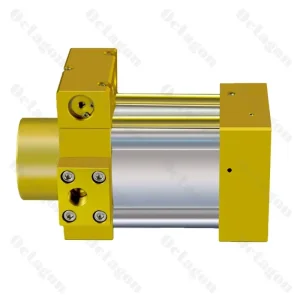
OEM Octagon SWB-80S Gas-Liquid Booster Pump - Efficient Solution from China Suppliers
Explore Hardware Specs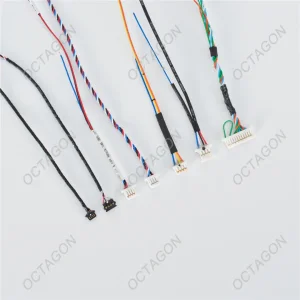
OEM China Octagon Speaker Wire Harness - Durable Audio Solutions from Reliable Suppliers
Explore Hardware Specs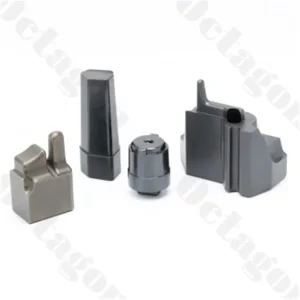
OEM China Die Casting Mold Non-Standard Parts Processing - Premium Quality from Trusted Suppliers
Explore Hardware Specs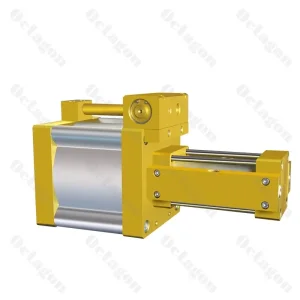
CE Certification SWP-05 Air Booster Pump - User-Friendly Efficiency Redefined for Factory Needs
Explore Hardware Specs
OEM China Octagon SWP-7.5-G Air Booster Pump Factory - Efficient Pneumatic Enhancement
Explore Hardware Specs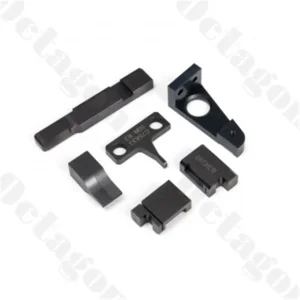
CE Certification China Stamping Die Components Suppliers - Precision Manufacturing Parts
Explore Hardware Specs
OEM OCTAGON SWP-02A Air Pressure Booster Pump - High-Quality China Suppliers & Factory
Explore Hardware SpecsAccelerate Your Gating Tooling With Taiwan-Engineered Precision
Submit your part 3D CAD data (STEP, IGES, X_T) for a thorough Design for Manufacturing (DFM) review, curved gate radius optimization, and Moldflow fill analysis within 24 business hours. Partner with an industry exporter trusted across 60+ countries since 2008.
Initiate Tooling Technical Review