
Standard & Custom Precision Production Portfolio
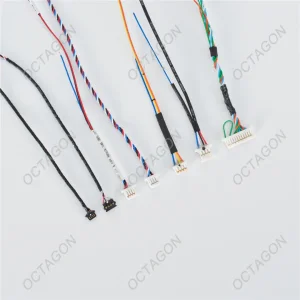
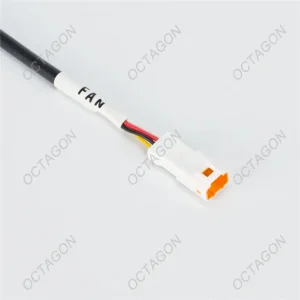
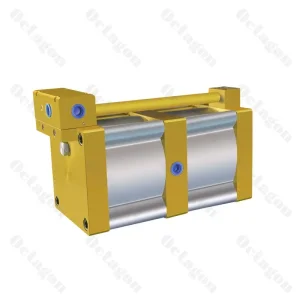
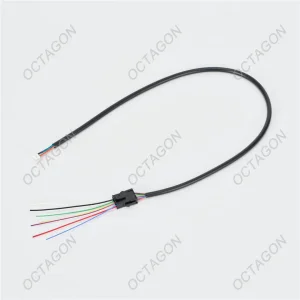
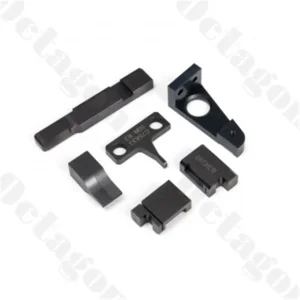
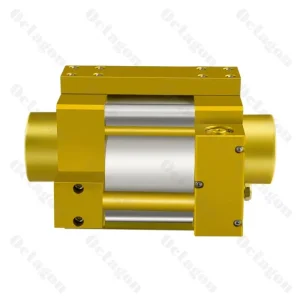
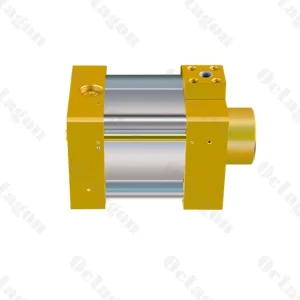
Explore field-proven industrial assemblies, including booster intensifiers, precision stamping die components, and robust waterproof wire harness systems produced for leading tier-one manufacturers.
Macro Dynamics of Runner Plastic Molding & Modern Production
Analyzing high-efficiency delivery systems, cold versus hot runner thermal kinetics, and pneumatic-hydraulic intensifier integration across multi-cavity industrial tooling.
In modern industrial polymer processing, the runner system dictates not only cycle efficiency and material consumption, but also the structural integrity and aesthetic consistency of high-precision molded components. As automotive lightweighting, medical microfluidics, and mission-critical electronics transition toward high-temperature engineered resins (PEEK, PPS, LCP) and high-volume multi-cavity molds, the runner plastic molding ecosystem faces stringent rheological and thermal constraints. The choice between optimized cold runner layouts, sophisticated hot runner valve-gate manifolds, and integrated in-mold degating automation defines the competitive margin of modern manufacturing lines.
Material Yield & Energy Efficiency
Traditional cold runner configurations generate significant regrind volumes, escalating thermal degradation risks and resin consumption. By migrating toward internally heated runner manifolds and localized valve gates, high-volume production lines achieve up to 38% scrap reduction, eliminating regrind handling and stabilizing mechanical consistency across precision batches.
Rheological Flow & Shear Balancing
Non-Newtonian fluid behaviors in multi-cavity configurations lead to volumetric imbalance, flashing, or sink marks. Modern runner design leverages symmetrical geometric layouts, boundary-layer thermal profiling, and CFD mold-flow simulations to eliminate fill disparities, minimizing localized molecular stress and weld-line vulnerabilities.
Automated In-Mold Degating Integration
Conventional post-mold secondary trimming introduces human handling flaws and dimensional variances. High-pressure pneumatic-hydraulic cutting systems cut gates within the closed mold tool before part ejection, delivering pristine cosmetic vestige, reducing cycle duration by up to 25%, and preventing component warpage.
Engineering Runner Paradigms: Cold, Hot, and Hybrid Solutions
A technical cross-comparison of runner topologies designed to optimize thermal equilibrium, gate geometry, and pressure drop management across high-duty cycles.
High-integrity runner systems require strict adherence to tooling physics. A sub-optimal runner cross-section generates excessive shear heating, destabilizing polymer thermal profiles, while oversized channels prolong cooling cycles and escalate structural cavitation. Below is the technical breakdown of runner architectures manufactured across Octagon's specialized precision facilities:
Optimized Cold Runner Systems
Engineered for engineering polymers susceptible to thermal degradation. Utilizing precision CNC electrical discharge machining (EDM) and high-grade tooling steels (SKD61, DC53, 1.2344), our cold runner layouts feature trapezoidal or full-round channels that balance pressure transmission with rapid cycle-ejection kinetics.
Thermal Hot Runner Manifolds
Featuring internally heated distributor blocks, modular thermocouple integration, and valve-gate actuators. These manifolds maintain uninterrupted molten resin flow directly to the cavity interface, eliminating runner waste entirely while enabling pin-point gate cutoffs that eradicate stringing and vestige defects.
High-Pressure Booster Degating
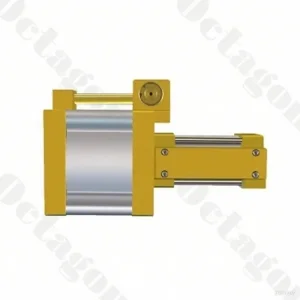
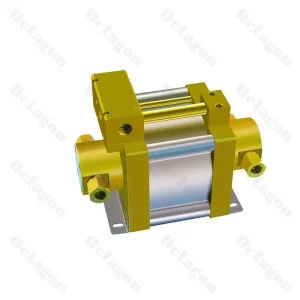
Powered by our proprietary SWP and SWB pneumatic-hydraulic booster pumps, this system actuates internal mold cutting cylinders with 1,000 to 7,000 kgf of force. Shear blades decouple runners from parts in milliseconds prior to mold opening, ensuring zero cosmetic shear whitening on exterior class-A surfaces.
Global Commercial Presence & Manufacturing Discipline
Combining Taiwanese precision engineering management with high-capacity mainland production hubs, Octagon supports international OEMs across 60+ countries.
Founded in 2008 in Taoyuan, Taiwan, Octagon Precision Mold Co., Ltd. has established an integrated supply network delivering high-tolerance mold tooling, air and gas-liquid booster pumps, precision stamping die components, and specialized industrial wire harnesses. By uniting Taiwanese process control with mainland production scalability, we provide tier-one supply stability backed by 45+ registered patents and an engineering cadre averaging more than a decade of precision tooling experience.
Dual-Node Operations
Headquarters in Taoyuan leads advanced R&D, tool geometry simulation, and quality assurance auditing, while mainland manufacturing centers execute high-volume multi-axis machining, assembly, and automated harness wiring to compress commercial lead times.
Comprehensive Quality Control
From metallurgical verification of incoming raw tool steels (Zeiss CMM coordinate measurement, optical surface profilometry) to 100% helium pressure testing of booster cylinders and electrical continuity testing of harnesses, quality management adheres strictly to ISO procedures.
One-Stop Sourcing Synergy
Our customers reduce vendor fragmentation by combining plastic mold runner components, stamping die components, in-mold cutting boosters, and equipment wiring harnesses into single-source purchase agreements, simplifying global logistics.
Industrial Solutions Across Mission-Critical Sectors
Where dimensional stability, zero gate vestige, and continuous production uptime cannot be compromised.
Automotive Electrification (EV)
High-voltage battery module collection lines, battery box connectors, and Class-A interior trims. In-mold degating systems eliminate post-processing scratches on dashboard bezels, while IP68 harnesses prevent moisture ingress in under-chassis battery compartments.
Medical Diagnostics & Fluidics
Microfluidic analysis cartridges, blood separation casings, and surgical enclosures. Runner channels are finished to optical mirror standards (Ra 0.05 μm) in Class 100,000 cleanrooms, preventing shear-induced polymer particulate contamination.
Data Infrastructure & Automation
Communication server cabinets, industrial control enclosures, and cooling fan modules. We manufacture custom equipment wiring harnesses routed directly to multi-axis PLC automation panels alongside SWB gas-liquid intensifiers for clamping systems.
Regulatory Governance & Global Procurement Assurance
Meeting rigorous Western and Asian industrial compliance frameworks with full heat-lot metallurgy tracking and environmental documentation.
Procuring custom tooling components and high-pressure assemblies requires unyielding compliance documentation. Octagon provides complete transparency from mill test reports (MTR) to hazardous substance evaluations, mitigating cross-border import complications and downstream warranty liabilities.
Material Heat-Lot Traceability
All core pins, cavity inserts, and runner bushings are engraved with laser-marked 2D QR codes and lot identifiers. Each part maps directly to original steel mill chemical composition and vacuum heat-treatment hardness certificates (HRC 58-62).
RoHS, REACH, and CE Conformity
Wire insulation, overmolded connectors, and seals comply fully with EU RoHS 3 and REACH SVHC regulations. Stamping die components and booster cylinders carry full CE Machinery Directive documentation for seamless integration into European facilities.
Dedicated International Logistics
Export packaging features vapor corrosion inhibitor (VCI) hermetic bagging, fumigated custom wooden cases, and comprehensive commercial customs manifests, ensuring rust-free trans-oceanic transit to North America, Europe, and Asia-Pacific ports.
Technology Roadmap: Next-Generation Injection Tooling
Architecting smart molds with integrated digital telemetry, closed-loop pressure control, and advanced thermal management.
Sensor-Embedded Runners
Integrating micro-piezoelectric pressure transducers directly into the runner manifold junctions to log real-time melt pressure drops, feeding data into closed-loop injection controllers.
Conformal Cooling Additive Tooling
Deploying direct metal laser sintering (DMLS) 3D printing for mold runner inserts, incorporating conformal cooling channels that reduce runner cycle cool-down duration by an additional 30%.
Servo-Electric Degating Automation
Transitioning from pneumatic-hydraulic booster cylinders to digital servo-actuated gate cutting modules, achieving micron-level depth control and millisecond timing adjustment directly via the injection press HMI.
Zero-Carbon Recycled Resin Tooling
Developing specialized shear-alleviating gate geometry specifically engineered for 100% post-consumer recycled (PCR) resin blends, neutralizing batch-to-batch viscosity variations.
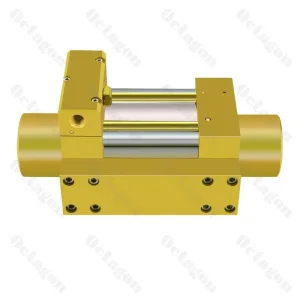
High-Performance Intensifiers & Tooling Components
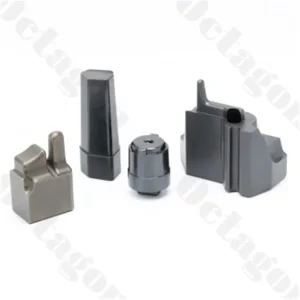
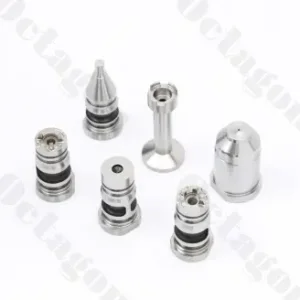
Browse our gas-liquid intensifier series, non-standard mold inserts, and custom speaker harnesses built for seamless factory-floor deployment.
Frequently Asked Questions on Runner Molding & Tooling
Direct technical responses addressing common engineering questions encountered during procurement, tool design, and supplier qualification.