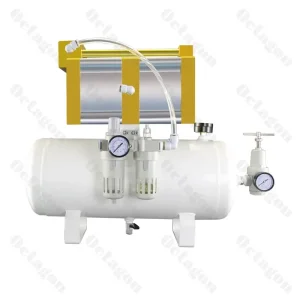
Featured Molding Inserts & Pneumatic Boost Components
Direct factory supply of high-wear cavity inserts, precision sprue flow bushings, and pneumatic-hydraulic pressure boost cylinders engineered to maximize injection cycle uptime.
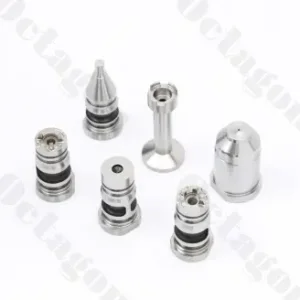
OEM Mold Inserts for Precision Tooling
View Component Specs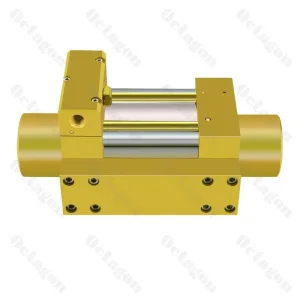
SWB-80D Dual Gas-Liquid Booster Pump
View Component Specs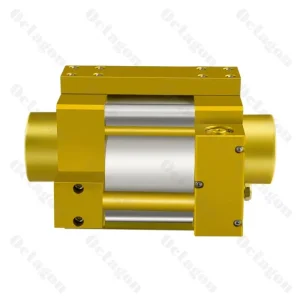
CE Certified SWB-125D High-Pressure Pump
View Component Specs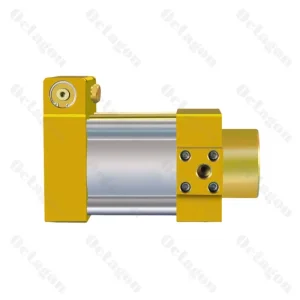
SWB-100S Single-Acting Booster System
View Component Specs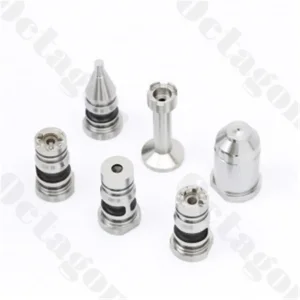
High Thermal Hardened Sprue Bushings
View Component Specs
OEM Heavy Duty SWB-100S Booster Line
View Component Specs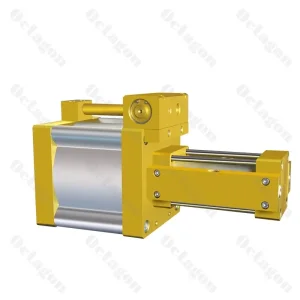
CE Approved SWP-05 Air Booster Unit
View Component Specs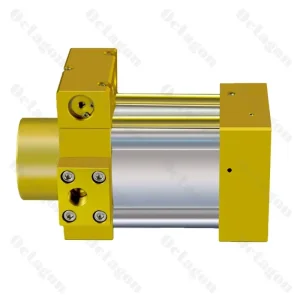
SWB-80S High Efficiency Gas-Liquid Pump
View Component SpecsEngineering Precision in Custom Molded Plastic Components
How leading China OEM manufacturers merge micro-tolerance mold toolmaking, advanced rheological simulation, and scientific injection process stabilization for global mission-critical hardware.
Sub-Micron Toolroom Rigor
Utilizing high-speed CNC milling (42,000 RPM spindle speeds), Sodick mirror wire EDM, and optical profile grinding to manufacture hardened mold cavities (H13, S136, Stavax, DC53) capable of withstanding millions of high-pressure injection cycles without dimension drift.
Scientific Injection Molding (SIM)
Decoupled molding methodology separating volumetric cavity filling, pack-and-hold phase transitions, and uniform thermal cooling. Rheological balance verification ensures balanced part weight across 64-cavity high-volume tooling setups with CPK values exceeding 1.67.
Synchronous In-Mold Automation
Integration of pneumatic-hydraulic booster cylinders providing 1,000 to 7,000 kgf cutting forces directly inside closed tools. Gates are sheared under millisecond timing control prior to tool opening, generating pristine optical cuts with zero micro-cracking.
Why OEM Engineers Partner with China Injection Molding Factories
Analyzing the compounding supply chain factors: material availability, rapid prototype-to-steel tooling velocity, localized booster component integration, and total cost of ownership (TCO) compression.
Aggregated Material Supply
Immediate procurement access to world-class engineering polymer producers (BASF, SABIC, DuPont, Covestro) alongside ISO-compliant domestic compounders, facilitating certified flame retardant (UL94-V0), medical biocompatibility (ISO 10993), and glass-fiber reinforced compositions with substantial lead-time advantages.
Tooling Cycle Acceleration
Integrated CAD/CAM engineering clusters enable functional T1 prototype samples within 15–20 calendar days from DFM signoff. In-house mold flow analysis (filling, warpage, gate cooling optimization) removes guesswork prior to raw tool steel heat-treatment.
Pneumatic & Mold Synergy
Unlike standalone mold shops, advanced Chinese facilities manufacture both the mold bases/inserts and the requisite high-pressure gas-liquid booster pumps (such as the SWB & SWP Series) to power automation cylinders, slide actions, and core-pull sequences directly.
Cross-Disciplinary Integration
Seamless coordination between custom molded housings, internal precision wire harnesses (energy storage lines, cooling module assemblies, medical leadsets), and ultrasonic welding/assembly within cleanroom environments under unified management.
| Evaluation Parameter | Conventional Mold Shop | Advanced Tier-1 OEM China Factory | Sourcing Gain |
|---|---|---|---|
| Tooling Machining Limits | ±0.020 mm to ±0.010 mm | ±0.002 mm (Micro-Grinding & EDM) | 5x Accuracy Elevation |
| Gate Degating Methodology | Manual snipping / secondary robot trim | In-Mold Cutting via Pneumatic Boost | Zero Gate Flash / 18% Cycle Cut |
| Resin Validation Support | Commodity datasheet checking | Moldflow Simulation & DSC Analysis | Predictable Shrinkage & Flatness |
| Quality Traceability | Batch spot checks via caliper | Automated OGP Optical CMM + Full PPAP L3 | Lot-by-Lot Certified CPK > 1.67 |
Technological Frontiers Reshaping Injection Molding
From digitalized mold cavity telemetry to ultra-high-temperature engineering plastics and zero-scrap closed-loop manufacturing protocols.
In-Cavity Sensor Telemetry
Integration of piezoelectric pressure transducers and infrared melt temperature sensors at the end of fill inside mold inserts. Real-time dynamic switchover from injection pressure to holding pressure drastically minimizes sink marks, flash, and internal stresses in complex structural frames.
High-Performance Polymer Mastery
Increasing shift from metal-to-plastic conversions requiring mold temperatures reaching 180°C–220°C for semi-crystalline PEEK, PEI (Ultem), PPS, and PPA. Chinese OEM tooling incorporates specialized thermal isolation plates and conformal cooling circuits produced via metal 3D printing.
Autonomous In-Mold Degating
Eliminating manual trimming stations through automated in-mold cut blades driven by high-ratio pneumatic boost systems. By cutting the gate vestige while the resin core is molten, mechanical stress concentration is eradicated, boosting cosmetic perfection for Class-A exterior parts.
Mission-Critical Industrial Application Verticals
Tailored component chemistry, tool kinematic configurations, and secondary finishing tailored for demanding end markets.
Automotive & New Energy Vehicles (NEV)
Under-the-hood sensor enclosures, high-voltage battery cell isolation frames, cooling fan impellers, and lightweight structural brackets manufactured using PA66-GF30, PBT, and polyphenylene ether (PPE). Tested for vibration tolerance, dielectric breakdown, and -40°C to +150°C thermal cycling.
Medical Diagnostics & Fluidics
Microfluidic cartridges, dialysis connectors, endoscopic camera bezels, and surgical instrument housings molded inside ISO Class 7/8 cleanrooms. Raw materials encompass medical-grade polycarbonate (PC), cyclic olefin copolymers (COC), and USP Class VI liquid silicone rubbers (LSR).
Renewable Energy & Battery Storage (ESS)
Flame-retardant terminal covers, busbar isolators, and energy storage collection line connectors engineered to achieve UL94-V0 compliance, CTI > 600V tracking resistance, and superior weatherability (UV stability) for commercial containerized battery energy storage systems.
Precision Electronics & Screen Cabling
High-definition screen connector housings, thin-wall smartphone and tablet internal supports, fiber optic transceivers, and acoustic earbud chassis requiring dimensional repeatability within ±0.005 mm and zero parting-line flash.
Food Processing & Industrial Packaging
FDA-compliant closure valves, beverage aseptic dispensing nozzles, and sorting conveyor components. Produced with FDA-approved POM (Acetal), PP, and HDPE resisting acidic/alkaline washdown chemicals and continuous thermal cycles.
Industrial Automation Control Panels
Rugged equipment cabinet wiring harness conduits, DIN-rail mounting blocks, pneumatic manifold interfaces, and booster pump housings with high impact resistance and chemical splash tolerance.
Macro Solutions: From Design for Manufacturing (DFM) to Global Export
An integrated engineering workflow delivering zero-defect manufacturing continuity across multi-cavity injection production runs.
1. Rigorous DFM & Rheology
Preliminary engineering review examining draft angles, wall thickness uniformity, sink index, weld-line relocation, and runner gating layouts via Autodesk Moldflow to eliminate re-tooling iterations before steel cutting.
2. In-House Core & Cavity Machining
Hardened steel components machined using 5-axis CNC centers and mirror-spark EDM. Cavity inserts, slides, and ejector pins receive diamond-like carbon (DLC) coating to prolong tool life beyond 1,000,000 shots.
3. Automated Injection & Cutting
Fully automated presses ranging from 50 to 1,200 tons clamping force. In-mold trimming systems powered by OCTAGON booster pumps eliminate manual gate degating, reducing cycle times by 15% to 25%.
4. Metrology & Clean Assembly
Automated coordinate measuring machines (CMM), optical video comparators, cleanroom ultrasonic welding, robotic wire harness insertion, and full PPAP Level 3 documentation with serialized trace barcodes.
Addressing Global Enterprise Procurement & Risk Criteria
What Chief Supply Chain Officers and Global Sourcing Heads mandate when qualifying high-precision injection molding partners in East Asia.
Supply Chain Redundancy & Dual-Sourcing
To safeguard against geopolitical friction and freight bottlenecks, tier-1 customers require engineering dual-hubbing: engineering oversight and quality control headquartered in Taiwan, paired with large-scale production facilities in mainland China and localized export clearing hubs.
Regulatory & Chemical Compliance
Mandatory conformity with international standards including RoHS 3, REACH SVHC declarations, UL94 flammability yellow cards, FDA food-contact certifications, and medical ISO 10993/USP Class VI biocompatibility testing with complete resin manufacturer lot numbers.
Total Cost of Ownership (TCO) Optimization
Savvy buyers evaluate total landed cost rather than initial tool steel quotation alone. Automated in-mold cutting, rapid tool cycle times, high cavity density (16, 32, 64 cavities), and extended tooling warranties minimize per-piece part prices across multi-year volume contracts.
Frequently Asked Questions by Global Sourcing Teams
Detailed technical answers to common queries regarding injection tooling tolerances, resin shrinkage compensation, automated in-mold cutting, and PPAP approval protocols.
What precision tolerances can OEM China injection mold toolrooms realistically maintain?
How does in-mold degating technology compare with post-mold robotic or manual trimming?
Which high-performance engineering plastics can your China molding facilities process?
What quality documentation and traceability data are provided with custom OEM shipments?
How are rapid prototyping and prototype tooling (T0/T1) scheduled?
Specialized Booster Pumps & High-Precision Tooling Lineup
Explore our heavy-duty pneumatic pressure intensifiers, energy storage collection wiring systems, and high-precision stamping and injection tooling modules.
SWB-80D High Performance Booster Unit
Explore Technical Data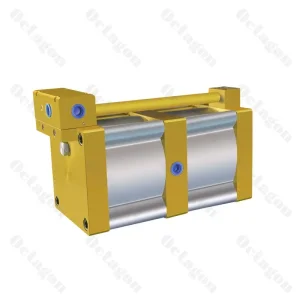
OCTAGON Heavy-Duty Air Booster System
Explore Technical Data
Custom SWP-02B Pneumatic Air Pump
Explore Technical Data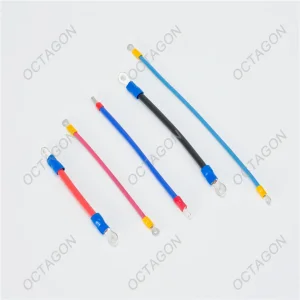
Energy Storage Collection Lines & Harness
Explore Technical Data
ODM SWB-125D Pressure Intensifier
Explore Technical Data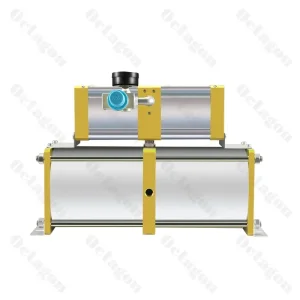
SWP-02A-G-T Air Booster Assembly
Explore Technical Data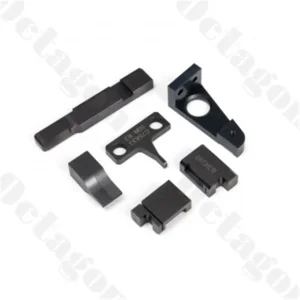
Precision Stamping & Die Components
Explore Technical Data