
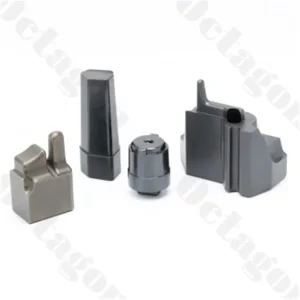
Precision Engineering Solutions
Specialized Tooling Components for Luxembourg HPDC Systems
Tailored for high-pressure aluminum and magnesium structural die casting. Certified tool steel grades with micro-honed surfaces to withstand severe thermal cycling and intense hydraulic shock.
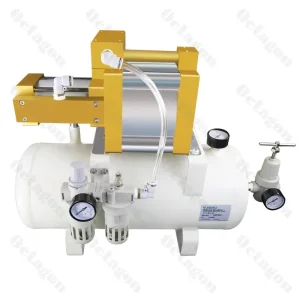
OEM High-Efficiency Air Booster Pump SWP-7.5-G for Luxembourg Production Plants
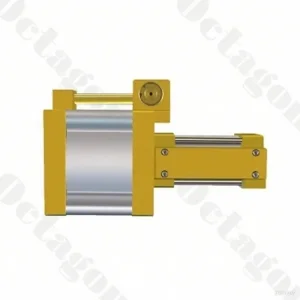
High-Quality Octagon SWP-7.5 Air Booster Pump for Luxembourg Industrial Efficiency
Certified Octagon SWP-7.5 Industrial Booster Pump Exporter to Luxembourg & Benelux
Market Intelligence & Local Ecosystem
The Luxembourg High-Tech Casting & Tooling Landscape
The Grand Duchy of Luxembourg occupies a geographically strategic and technologically intense position within the European industrial network. Positioned centrally in the Saar-Lor-Lux Greater Region, Luxembourg is an innovation powerhouse driving lightweight automotive design, smart sensor technologies, and specialized manufacturing equipment. Global industrial innovators such as IEE Sensing, Carlex Glass, the legacy automotive operations of Delphi/Aptiv, and the Goodyear Innovation Center (GICL) in Colmar-Berg emphasize Luxembourg’s demanding appetite for zero-defect tooling components.
Furthermore, Luxembourg is home to international tooling giants like Husky Injection Molding Systems in Dudelange, cementing the country’s global reputation as a premier competence hub for mold-making, extreme-pressure fluid mechanics, and tight-tolerance metallurgy. As European original equipment manufacturers (OEMs) aggressively transition to electric vehicles (EVs) and structural lightweighting, Luxembourg die casting specialists require custom mold components engineered to withstand high thermal shock, abrasive alloy erosion, and cyclic mechanical strain.
Octagon bridges this high-reliability requirement by supplying sub-micron tolerance tooling components, vacuum slide inserts, and pneumatic/gas-liquid pressure intensification systems directly to Luxembourg’s precision moldmakers, system integrators, and foundries.
±0.002mm
CNC Machining Accuracy
55-58HRC
ESR Tool Steel Core Hardness
Ra 0.05μm
Mirror Surface Polishing
100%
CMM Dimensional Traceability
Metallurgical Authority
Advanced Metallurgy, Vacuum Heat Treatment & Surface Tribology
High-Pressure Die Casting (HPDC) subjects mold inserts to cyclic thermal shock between 200°C and 700°C under hydrodynamic injection pressures exceeding 1,200 bar. Preventing thermal fatigue cracking (heat checking) requires absolute metallurgical discipline.
Premium ESR/VAR Tool Steels
We machine custom die casting components strictly from premium Electro-Slag Remelted (ESR) and Vacuum Arc Remelted (VAR) hot-work tool steels. Alloys such as 1.2343 ESR (AISI H11 ESR), 1.2344 ESR (AISI H13), 1.2367 ESR, and proprietary ultra-tough grades like Dievar and Böhler W360 deliver exceptional Charpy V-notch impact toughness and isotropic microstructure.
Multi-Stage Vacuum Quenching
Thermal stress resistance is dictated by precise austenitization and high-pressure nitrogen gas quenching. Our components undergo three to four distinct tempering cycles to ensure complete retained austenite transformation, minimizing residual stress and locking hardness within 48 to 56 HRC based on customer part geometry and cavity location.
Advanced PVD & Duplex Nitriding
To prevent aluminum soldering and molten alloy erosive washout, our parts are treated with Duplex Nitriding followed by physical vapor deposition (PVD). Thin-film AlCrN (Aluminum Chromium Nitride) and multi-layer CrN/TiAlN coatings impart surface micro-hardness exceeding 3,000 HV while remaining chemically inert to aggressive liquid Al-Si alloys.
| Material Standard | Equivalent Grade | Tensile Strength (MPa) | Thermal Conductivity (W/m·K) | Primary Application in Luxembourg Tooling |
|---|---|---|---|---|
| DIN EN ISO 4957 - 1.2343 ESR | AISI H11 Premium ESR | 1,650 - 1,820 | 29.8 @ 350°C | Structural transmission casings, thin-wall EV battery boxes |
| DIN EN ISO 4957 - 1.2344 ESR | AISI H13 Premium ESR | 1,700 - 1,880 | 28.5 @ 350°C | High-wear core pins, slider blocks, runner gates |
| DIN EN ISO 4957 - 1.2367 ESR | X38CrMoV5-3 Mod | 1,800 - 1,950 | 31.0 @ 350°C | Heavy-section structural castings, severe thermal shock zones |
| Böhler W360 / Dievar Equiv. | Patented Modified Cr-Mo-V | 1,950 - 2,100 | 32.5 @ 350°C | Giga-casting sub-inserts, high-volume sensor housings |
Additive & Thermal Innovation
Conformal Cooling Inserts & In-Mold Pressure Automation
Cycle time optimization and porosity elimination represent the holy grail for European die casters. By integrating additive conformal cooling with high-ratio pressure booster systems, Octagon enables up to 35% faster cycle times and superior metallurgical densification.
Additive Hybrid Tooling Inserts (LPBF)
Standard cross-drilled cooling channels fail to reach isolated hot spots in complex automotive geometries, leading to localized shrinkage porosity and blistering. Octagon manufactures hybrid additive inserts utilizing Laser Powder Bed Fusion (LPBF) in combination with high-precision 5-axis subtractive finishing.
Curved, multi-branch internal cooling passages hug the cavity profile with uniform wall thickness, enabling rapid heat extraction during liquid metal solidification. Every internal conduit is flow-tested, ultrasonic-cleaned, and pressure-verified up to 40 bar to guarantee zero coolant leakage into the vacuum die cavity.
Pneumatic & Gas-Liquid Booster Integration
Ensuring high-speed slider actuation, vacuum valve closing, and automated degating necessitates reliable, oil-free high-pressure air and hydraulic feeds. Octagon's SWP and SWB Booster Pumps amplify standard plant compressed air (5-8 bar) up to 40-70 bar, providing rapid mechanical clamping and ejection forces that prevent part distortion during demolding.
Conformal Thermal Advantage Metrics
- Thermal Dissipation Efficiency: +45% vs Gun-Drilled Channels
- Total HPDC Cycle Time Reduction: 18% – 32% Average
- Shrinkage Porosity Reduction: Up to 88% in Dense Bosses
- Core Pin Thermal Life Span: 2.4x Standard Lifespan
- Hydraulic Valve Actuation Time: < 12 ms with SWB Booster
Compliance & Quality Governance
European Quality Compliance, PPAP & Luxembourg Logistics Corridors
Global supply chains demand absolute regulatory transparency, material traceability, and swift freight handling. Octagon’s operational framework aligns seamlessly with European automotive and industrial standards.
EN 10204 3.1 & 3.2 Material Traceability
Every steel batch utilized for Luxembourg exports is accompanied by an authenticated EN 10204 Type 3.1 Inspection Certificate, detailing melt analysis, spectrometer chemical breakdown, vacuum degassing verification, and ultrasonic defect testing per SEP 1921 Group 3 Class E/e.
Automotive PPAP Level 3 & APQP
Serving Tier-1 and Tier-2 automotive manufacturers demands structured release documentation. We supply complete PPAP Level 3 documentation, including Failure Mode and Effects Analysis (FMEA), Control Plans, Gage R&R, and 100% CMM dimensional balloon drawings generated via Zeiss optical scanning.
Bettembourg Logistics Hub & CBAM
Leveraging Luxembourg’s intermodal hub at Eurohub Sud (Bettembourg-Dudelange) and direct cargo lines via Luxembourg Findel Airport (Cargolux hub), shipments clear customs efficiently. All products comply with EU RoHS, REACH, and transitional EU CBAM (Carbon Border Adjustment Mechanism) declarations.
Strategic Foresight
Technological Roadmap: Megacasting & Smart Tooling (2026–2030)
The rapid emergence of gigacasting presses (6,000 to 12,000 tons) is rewriting tooling engineering rules. Here is how Octagon is executing its long-term technical development roadmap for European mold builders.
2026
Segmented Gigacasting Inserts
Deploying modular, pre-machined segmented insert assemblies that resolve distortion issues on structural molds exceeding 80 metric tons in deadweight.
2027
Sensorized Tooling & Digital Twins
Embedding miniaturized wireless thermal and pressure sensors directly into core pin bodies for real-time cavity flow mapping and predictive wear alerts.
2028
Ultra-Low Carbon Tool Steels
Transitioning raw material procurement to green-hydrogen smelted tool steel billets, slashing Scope 3 embedded carbon emissions to comply with EU climate directives.
2029-2030
Closed-Loop Autonomous Degating
Interfacing SWB high-ratio booster systems with autonomous in-mold hydraulic guillotine cutters, achieving complete runner separation before mold opening.
Complete Precision Portfolio
High-Pressure Booster Pumps, Harnesses & Tooling Assemblies
Explore our certified catalog of gas-liquid booster pumps, electrical harness systems, and custom tooling components delivered to engineering operations across Luxembourg and Europe.
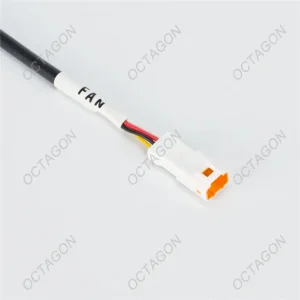
High-Quality Waterproof Series Harnesses (IP68 Rating) for Luxembourg Equipment
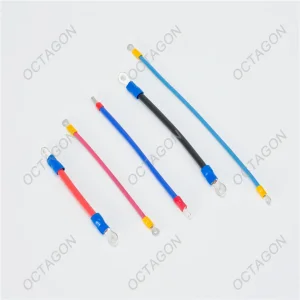
Custom Energy Storage Collection Lines for Power Stations & Luxembourg EV Batteries
OEM Die Casting Mold Parts Processing - Certified Quality for Luxembourg Exporters
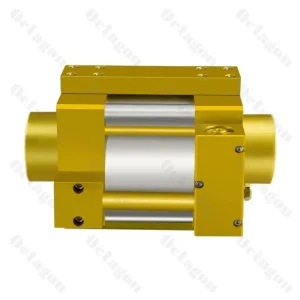
Octagon SWB-100S & SWB-100D Gas Pumps for Luxembourg Industrial Hydraulic Tooling
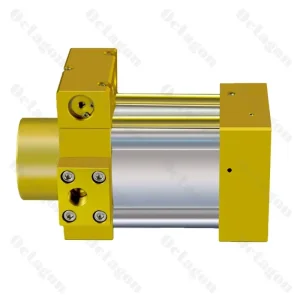
Octagon SWB-80S Gas-Liquid Booster Pump for Luxembourg Mold Clamping Automation
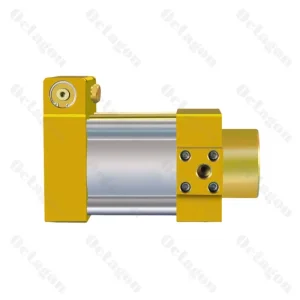
OEM SWB-100S Series High-Efficiency Gas-Liquid Booster Pump for Luxembourg Foundries
Octagon SWB-100S & SWB-100D Dual Pumps for Luxembourg Automation Tooling Cells
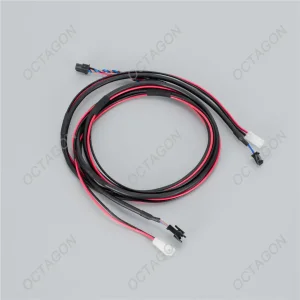
OEM Medical Wiring Harnesses for European Healthcare & Diagnostic Technologies
Procurement & Engineering FAQ
Frequently Asked Technical Questions by European Tooling Engineers
Detailed engineering answers regarding metallurgy, tolerance limits, logistics handling in Luxembourg, and quality assurance protocols.
What tool steel grades do you recommend for high-silicon aluminum HPDC in Luxembourg?
For high-silicon aluminum alloys (such as A380, AlSi9Cu3, or AlSi10Mg commonly cast in European automotive supply chains), abrasive washout and thermal checking are the primary degradation mechanisms. We predominantly specify premium Electro-Slag Remelted (ESR) grades conforming to DIN EN ISO 4957 1.2343 ESR (H11) for large structural inserts due to its high impact toughness, or 1.2367 ESR and Dievar equivalents for high-heat hotspots.
When high surface erosion is anticipated near gating areas, we apply an AlCrN or CrN PVD coating over a plasma-nitrided diffusion layer, raising surface microhardness past 3,000 HV and preventing intermetallic soldering.
What machining tolerances and dimensional verification standards do you guarantee?
Octagon operates temperature-controlled CNC cleanrooms equipped with 5-axis high-speed machining centers (Makino, Yasda) and AgieCharmilles high-precision wire EDM. For critical core insert mating faces, slides, and ejector sleeves, we hold tolerances down to ±0.002 mm (2 μm), with true position tolerances within 0.005 mm.
Every component is verified using multi-sensor Coordinate Measuring Machines (Zeiss CMM) at 20°C ± 0.5°C. Full balloon inspection reports, 3D surface scan color-deviation maps, and calibration certificates are included with each export consignment.
How do you handle shipping, customs clearance, and lead times to Luxembourg?
We offer comprehensive DDP (Delivered Duty Paid) or DAP logistics options direct to production sites across Luxembourg, including industrial zones in Dudelange, Bettembourg, Bissen, and Clervaux. By leveraging regular air cargo flights into Luxembourg Findel Airport and intermodal freight into the Bettembourg Multimodal Logistics Terminal, express tooling orders can be on-site within 4 to 6 business days following inspection sign-off.
All customs paperwork, HS code tariff classifications, and transitional EU CBAM documentation are managed by our export compliance desk to ensure frictionless entry into the European Union.
Can Octagon manufacture conformal cooling inserts according to 3D CAD models?
Yes. We accept native Siemens NX, CATIA, STEP, and Parasolid files. Our engineering team conducts in-depth Moldflow and thermal CFD simulations to evaluate internal channel fluid dynamics, ensuring turbulent flow (Reynolds number > 10,000) for maximized thermal conductivity without inducing cavitation or flow stagnation.
Following additive Laser Powder Bed Fusion (LPBF) in specialized hot-work tooling powders, parts undergo proprietary stress relief, HIP (Hot Isostatic Pressing) to eliminate micro-porosity, and finish grinding on critical alignment datums.
What role do SWP and SWB Booster Pumps play in HPDC die casting tooling cells?
Standard plant air lines typically fluctuate between 5 and 7 bar, which is inadequate for rapid cylinder actuation, heavy wedge-lock sliding mechanisms, or in-mold high-pressure gas venting. The Octagon SWP and SWB booster series provide air-driven pressure amplification ratios of 2:1 up to 10:1, boosting plant lines safely to 40-70 bar without requiring auxiliary electrical power.
This ensures consistent locking forces, reduces cycle dwell times for hydraulic valves, and powers in-mold cut-off knives to trim gates cleanly before part extraction.
Do you supply PPAP documentation and mill test certificates with every order?
Yes. For automotive and medical projects, we routinely deliver complete PPAP Level 3 packages, including raw material chemical and mechanical test certs per EN 10204 3.1, heat treatment charts verifying vacuum cycles and tempering stages, CMM dimensional measurement reports, Gage R&R studies, and process capability analyses (Cpk > 1.67).