
High-Priority In-Mold Automation & Booster Systems
Pre-engineered systems engineered to match European press specifications (KraussMaffei, Arburg, Engel) serving Barcelona industrial hubs.
-
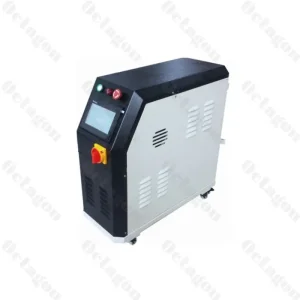
Barcelona Automotive In-Mold Automation Degating System
-
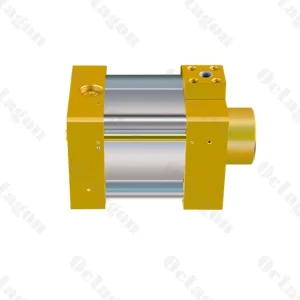
SWB-125S Single-Drive Gas-Liquid Booster Pump for Tooling Cells
-
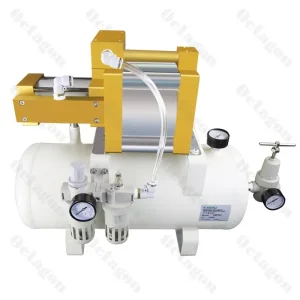
SWP-05-G High-Ratio Compressed Air Booster Pump Station
-
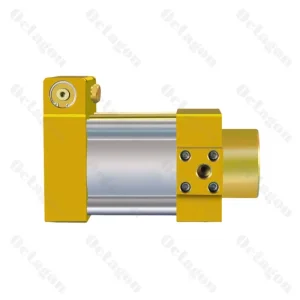
SWB-100S Dynamic Gas-Liquid Continuous Booster Assembly
Barcelona & Catalonia: The Industrial Vanguard of Injection Tooling
Addressing structural labor dynamics, energy decarbonization mandates, and high-cavitation efficiency benchmarks across the Mediterranean manufacturing corridor.
The Martorell & Zona Franca Automotive Pressure
The automotive cluster in Catalonia—anchored by historical original equipment manufacturers like SEAT S.A. in Martorell and the revitalized EV initiatives across Zona Franca—demands aggressive optimization in plastic injection molding. As Tier-1 and Tier-2 suppliers transition toward electric vehicle platforms, structural and cosmetic thermoplastic parts encounter strict cosmetic thresholds and microscopic dimensional stability targets.
Conventional post-mold secondary degating workflows require external robotic degating cells, end-of-arm tooling (EOAT) cutters, and downstream manual de-flashing stations. In Barcelona's high-wage, space-constrained manufacturing facilities, secondary gate shearing creates severe cycle bottlenecks, elevated micro-particulate contamination, and higher rejection rates due to gate blush or vestige defects.
Autonomous in-mold cutting eliminates secondary work centers entirely, actuating micro-cylinders while the injection mold remains closed under clamping pressure.
Vallès Occidental & Baix Llobregat Medical Clusters
Catalonia represents one of Europe's premier medical device and pharmaceutical manufacturing ecosystems. Facilities situated throughout Vallès Occidental (Sabadell, Terrassa, Rubí) operate certified ISO Class 7 and Class 8 cleanrooms producing diagnostic cassettes, infusion connectors, and respiratory consumables.
Manual gate snipping inside or adjacent to cleanrooms presents significant contamination liabilities, particulate hazards, and repetitive strain injuries (RSI) for operators. Integrating an automated solution system within the mold executes hydraulic or high-pressure gas degating during the plasticization or cooling phase. Gates are cleanly sheared flush within the mold parting line prior to mold opening, allowing pristine parts to drop directly into sterile packaging tubes or robotic vacuum conveyors without human intervention.
Technical Anatomy of Autonomous In-Mold Cutting Systems
How pneumatic-to-hydraulic pressure intensification converts shop-floor compressed air into precision tooling actuation without hydraulic oil contamination.
Microsecond Micro-PLC Timing Logic
The high-pressure control cabinet synchronizes millisecond-level trigger signals directly from the injection molding machine (IMM) core-pull or auxiliary I/O interface. As molten plastic fills the cavity through submarine, tunnel, or edge gates, the system calculates the optimal packing plateau. Cutting strokes activate precisely during the transition between holding pressure and gate freezing, ensuring clean cut surfaces without cosmetic burrs, sink marks, or molecular stress cracking.
Air-Driven Oil Intensification (Gas-Liquid Hybrid)
Standard plant compressed air (5 to 7 bar) is amplified through Octagon SWB and SWP booster mechanisms up to 350 to 500 bar of closed-loop hydraulic power. This compact design delivers 1,000 to 7,000 kgf of shearing force within miniature mold cavities where conventional hydraulic lines are prohibitive due to space or cleanroom oil leakage risks. The system combines the speed of pneumatic cycling with the non-compressible force of hydraulics.
Modular Hardened Shear Blade Assemblies
Manufactured from ultra-wear-resistant powder metallurgy steels (such as ASP-23, CPM-10V, or hardened tungsten carbide), in-mold cutter blades withstand millions of cycles without micro-chipping. Guided by high-precision bronze-graphite guide bushings machined to ±0.002 mm clearance, the cutting punch maintains perfect perpendicularity across high-tonnage thermal expansions, preventing tool galling and flashing.
| Operational Parameter | Conventional External Robot Degating | Manual Operator Trimming | Octagon In-Mold Automation System |
|---|---|---|---|
| Cycle Time Contribution | +3.5 to +8.0 seconds (Mold open dwell) | Secondary process, variable (10–30s) | 0.0 seconds (Acts while mold cooling) |
| Gate Cut Vestige Quality | Variable (±0.15 mm vestige height) | Subjective, prone to operator gouging | Consistent flush mirror shear (±0.02 mm) |
| Cleanroom ISO Compliance | High particulate generation risks | Severe human biological hazard | Pristine closed-cavity execution |
| Floor Footprint Required | Large safety guarding & robot envelope | Manual workstations & buffer bins | Zero footprint (Internal to tool + compact cabinet) |
| Rejection Rate from Stress | Moderate (Cold plastic tearing) | High (Uneven hand leverage) | Near-zero (Cuts during warm plastic state) |
China Factory 4.0: Engineering Synergies & Scale Reliability
Combining Taiwanese precision mold architecture with scalable manufacturing plants in Mainland China to guarantee rapid lead times and micro-tolerance consistency.
Sub-Micron Machining Infrastructure
Octagon's manufacturing facilities feature state-of-the-art Makino CNC high-speed milling, Sodick wire EDM, and Okamoto precision surface grinders. Operating inside temperature-controlled cleanrooms stabilized at 20°C ±0.5°C, we achieve machining tolerances down to ±0.002 mm with optical mirror finishes of Ra 0.05 to 0.2 μm. Every in-mold blade, micro-piston, and hydraulic manifold block undergoes CMM verification (Zeiss, Mitutoyo) with complete dimensional inspection reports delivered before air freight dispatch.
Supply Chain Resilience for European Just-in-Time Demands
European tooling departments cannot tolerate months of downtime when waiting on specialized pneumatic intensifiers or replacement cutters. By maintaining complete vertical control over component fabrication—ranging from IP68 industrial wire harnesses and gas-liquid booster pumps to customized mold inserts—we slash traditional 14-week European tool component delivery cycles down to 10–18 working days. Critical components are pre-stocked or dispatched via priority express routing into Josep Tarradellas Barcelona-El Prat Airport, reaching Catalonia factories in less than 72 hours from dispatch.
Catalonia Compliance: CE Directives, Machinery Safety & UNE-EN Protocols
Engineered to seamlessly integrate into European manufacturing facilities with strict conformance to EU legal and functional safety standards.
CE Machinery Directive 2006/42/EC
Every timing control cabinet, hydraulic booster subsystem, and wiring harness module carries full CE declaration of conformity. Pressure vessels comply with the Pressure Equipment Directive (PED 2014/68/EU), featuring redundant mechanical relief valves, dual safety circuit depressurization, and burst-tested pneumatic lines rated for 300% working pressure.
ISO 13849-1 Safety Architecture (PL d/e)
Integrating with industrial injection molding machinery requires uncompromised emergency stop and safety gate interfacing. Octagon control cabinets offer dual-channel safety relays compatible with Euromap 67 / Euromap 73 interfaces. Opening safety doors during any phase of mold movement or cutting immediately vents auxiliary pressure and disengages actuators.
Localized Engineering Support in Spain
Through specialized industrial distribution networks and technical sales engineering representatives servicing Catalonia, Valencia, and the Basque Country, we provide Spanish and English CAD/CAM tooling integration files (STEP, Parasolid), pneumatic circuit schematics, on-site commissioning guidance, and immediate emergency spare part replacement kits.
Procurement Analysis: Total Cost of Ownership (TCO) & ROI Modeling
How replacing external trimming and post-mold handling generates payback inside 3.5 to 6 months for Catalonia production operations.
Quantifiable Factory Floor Savings
When evaluating automation investments, procurement departments frequently look only at initial system capital expenses. A true Life Cycle Cost (LCC) calculation reveals that the Octagon In-Mold Automation Solution generates extensive operational compounding advantages:
- Elimination of Dedicated EOAT Degating End-Effectors: Saves €4,000 to €12,000 per mold design by eliminating intricate servo or pneumatic robotic nipper assemblies.
- Energy Consumption Reductions: Operating on-demand pneumatic-liquid intensification draws zero electrical power during the idle and cooling phases, unlike continuous central hydraulic pumps.
- Floor Space Reclaim: Removes downstream post-curing degating conveyor lines, freeing high-value square meters within cleanrooms or automated cells.
- Substantial Scrap Reduction: Cutting gates while polymers remain warm (80°C–120°C) avoids brittle fracture, crazing, and white stress marks common with cold ambient degating.
Sample ROI Calculation: Automotive 4-Cavity Bracket
Based on a Tier-1 supplier producing 2,400,000 units annually in Granollers, Barcelona:
Payback on complete system installation (Booster cabinet, cutting cylinders, and mold tool modifications): 4.2 Months.
Technology Roadmap (2025–2030): Sensorized Cognitive Molds
How the integration of edge computing, micro-piezoelectric sensors, and automated predictive maintenance aligns with European Industry 5.0 strategies.
IoT-Enabled In-Mold Pressure Sensors
Next-generation Octagon systems feature embedded cavity piezoelectric pressure sensors that trigger degating precisely when gate viscosity reaches glass transition temperatures (Tg). Real-time telemetry is streamed via MQTT to MES software platforms across plant floors in Barcelona.
Self-Sharpening Micro-Diamond Coatings
R&D partnerships are introducing nano-crystalline CVD diamond coatings applied to our punch heads. This reduces friction coefficients below 0.05 when shearing glass-filled polyamides (PA66-GF30) and PEEK resins, extending continuous tool life beyond 5,000,000 cycles without blade maintenance.
Full Electrification Direct-Drive Micro-Servos
While pneumatic-hydraulic intensification remains the industry's workhorse, all-electric cleanroom configurations utilizing miniature planetary roller screw servo actuators are entering field trials for microfluidic medical cassettes requiring zero fluid mechanics within tooling plates.
Frequently Asked Questions: In-Mold Automation Integration
Addressing the technical, mechanical, and logistical questions most frequently submitted by European mold engineers and plant directors.
Can Octagon In-Mold Automation Systems be retrofitted into existing molds running in Barcelona?
Yes. While new mold designs offer the most seamless integration for water line cooling optimization, existing tooling can be modified. Our engineering team evaluates your mold 3D assemblies (STEP/UG) to designate cylinder pockets, oil manifold channels, and blade inserts without compromising structural mold core integrity or primary cooling passages. Retrofits typically take 4–7 tool shop days.
How does the system prevent hydraulic fluid contamination in ISO Class cleanrooms?
Our gas-liquid booster architecture utilizes high-efficiency air-driven booster pumps located outside the cleanroom boundary or enclosed within an IP54 sealed cabinet. In-mold hydraulic circuits are 100% closed, compact, low-volume closed-loop lines using food-grade, FDA-approved non-toxic synthetic oils or specialized pneumatic-intensified water-glycol media that prevent any particulate emission.
What machine electrical interface is required on European injection presses?
The control cabinet is equipped with universally configurable I/O signals matching Euromap 67, Euromap 12, or custom relay dry contacts. We require only a core-pull signal, mold-close confirmation, or injection hold-pressure phase signal from the machine controller (compatible with Engel CC300, KraussMaffei MC6, Arburg Selogica, Battenfeld, and Fanuc RoboShot).
How do you shear high-strength polymers like PBT, POM, or 40% Glass-Filled Polyamides?
Heavily reinforced engineering polymers cause high cutter wear if sheared cold. Because Octagon systems cut while the resin is still warm within the mold cavity (shear occurs at 90°C–140°C depending on polymer), shear resistance is reduced by up to 60%. Combined with our 7,000 kgf booster output force and premium vanadium-alloy blade steels, fibers are cleanly cleaved without pulling out or leaving rough fiber protrusions.
What is the standard warranty, maintenance interval, and spare-parts availability?
Control cabinets and booster pumps carry a comprehensive 24-month manufacturer warranty. High-wear mechanical components (cutting blades, seal kits) feature guaranteed lifetimes exceeding 2,000,000 cycles. We ship standard preventative maintenance kits directly to Barcelona within 3 to 5 business days, ensuring critical tooling operations maintain near-zero unplanned downtime.
Accelerate Your Barcelona Injection Molding Performance
Consult with our senior tooling automation engineers today. Send your part 3D CAD data, mold layout, or resin specifications for a confidential, comprehensive technical feasibility review and ROI estimate.
Precision Boosters, Tooling Inserts & Industrial Cable Assemblies
Explore the full portfolio of OEM & ODM components engineered for demanding industrial equipment and automated factory cells.
-
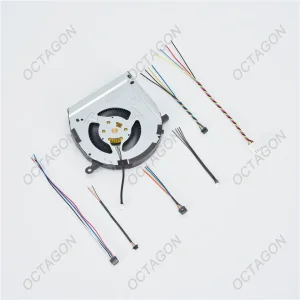
OEM Cooling Fan Industrial Cable Harness Assembly
-
OEM SWB-125S High-Performance Gas-Liquid Booster Pump
-
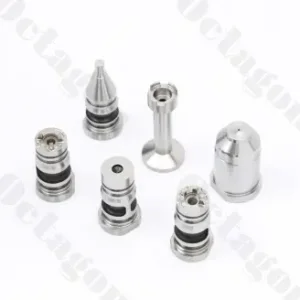
Custom Precision Mold Inserts & Core Components (±0.002 mm)
-
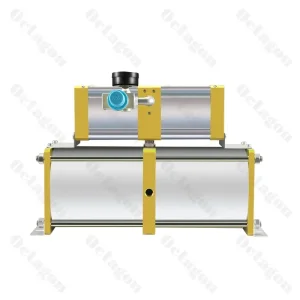
SWP-02A-G-T High-Pressure Gas Supply Booster System
-
High-Efficiency SWP-05-G Factory Compressed Air Amplifier
-
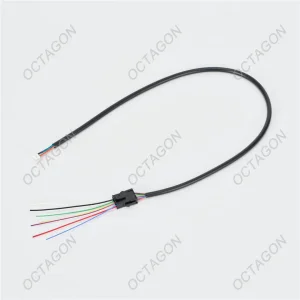
CE Certified Cabinet Wiring Harness for Automation & ESS
-
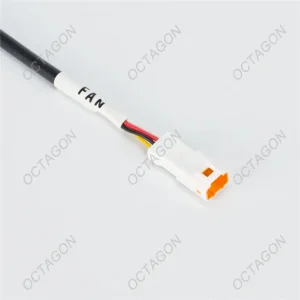
OEM IP68 Waterproof Cable Harness for Heavy Industrial Duty
-
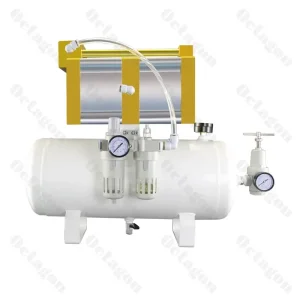
Octagon SWP-02B-G Stainless & Aluminum Alloy Booster Pump