CE Certification China Sprue Bushing Suppliers: Essential Injection Mold Components from a Leading Factory Factory, Factories
Product Description
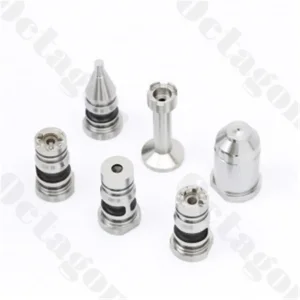
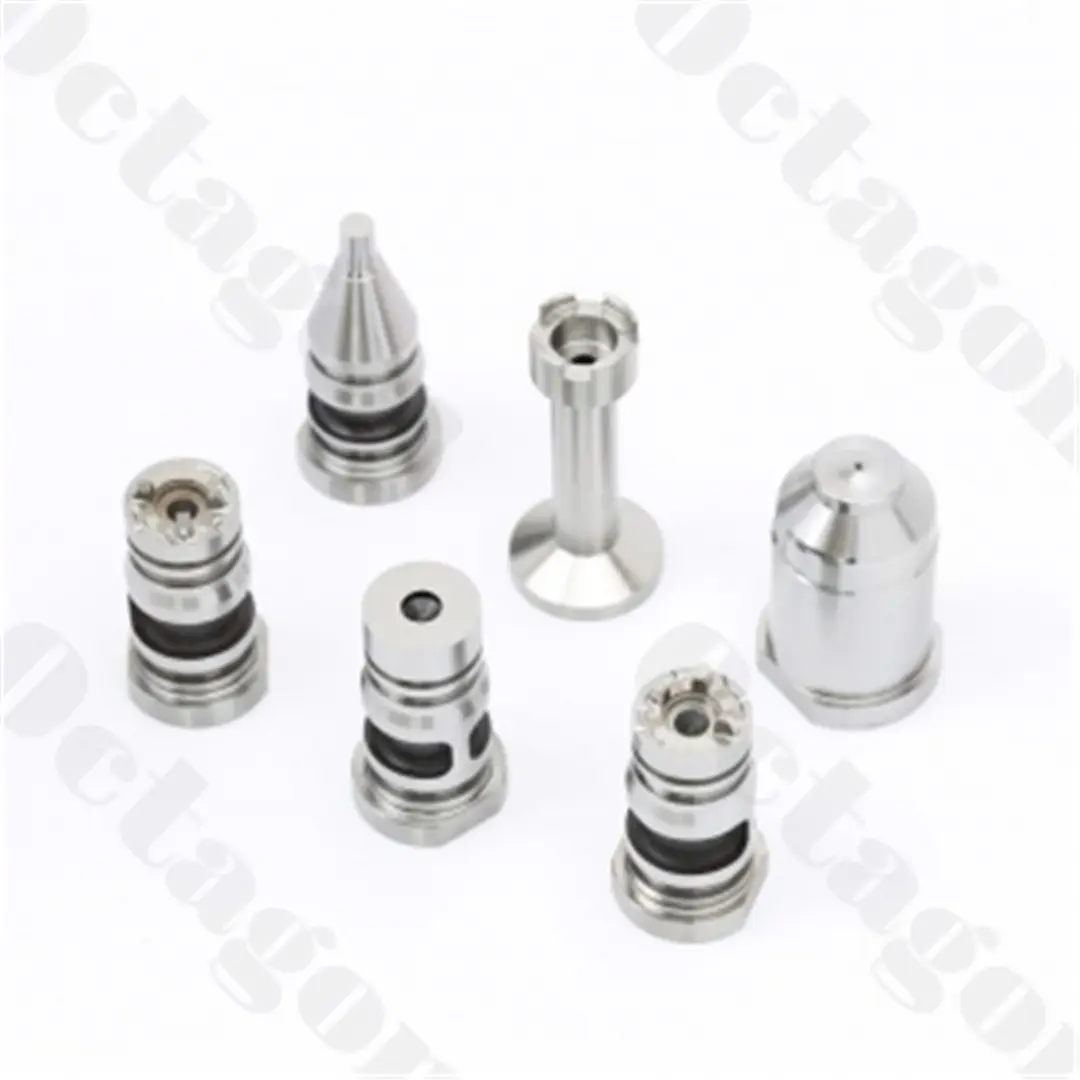
Function of Sprue Bushing
Guides molten plastic into the mold and ensures a steady material flow during the injection process.
Constructed from high-temperature and wear-resistant steel or aluminum alloys for high-pressure environments.
Optimized design reduces issues like air bubbles and cold material, enhancing finished product quality.
Frequently Asked Questions
What is the primary function of a sprue bushing?
The primary function of a sprue bushing is to guide molten plastic into the mold while ensuring a smooth flow of material during the injection process.
What factors are considered when designing a sprue bushing?
Its design takes into account the flowability of the material, temperature control, and the overall structural strength of the mold.
What materials are sprue bushings typically made from?
They are typically made from high-temperature and wear-resistant materials, such as steel or aluminum alloys.
Why do sprue bushings need to be wear-resistant?
They must withstand high-temperature and high-pressure injection environments while maintaining good performance over time.
How does a well-designed sprue bushing improve product quality?
A well-designed sprue bushing effectively reduces defects such as air bubbles and cold material, thereby improving the overall quality of the finished product.