Custom China Mold Inserts: Essential Components for Injection Molding by Leading Suppliers and Factories Suppliers, Exporter
Product Description
Diverse Structures and Adaptability
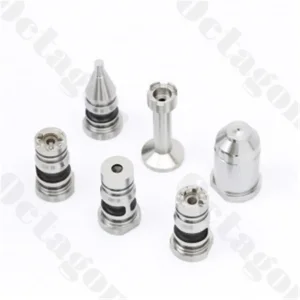
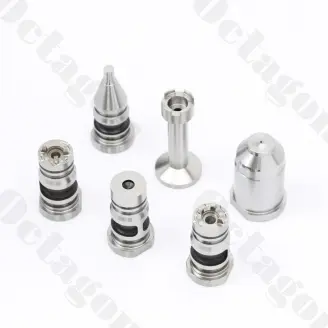
Mold inserts come in various shapes, including those with grid grooves, complex protrusions, and simple block forms. They are designed according to injection molding requirements to adapt to the different characteristics of plastic parts—some are responsible for forming precision holes, while others create unique surface textures. This diversity allows molds to balance standardized and personalized production, meeting the needs of various injection molding scenarios. The ability to customize mold inserts for specific applications enhances their functionality and effectiveness in the production process.
Various Shapes
Available in grid grooves, complex protrusions, and simple block forms to match specific design layouts.
Targeted Functions
Responsible for forming high-precision holes and creating unique, customized surface textures.
High Adaptability
Balances standardized and personalized production requirements for diverse molding scenarios.
Mold inserts are designed in various shapes to suit specific requirements, including grid grooves, complex protrusions, and simple block forms.
They are custom-designed based on injection molding requirements. Some inserts are engineered to form precision holes, while others are structured to create unique surface textures.
Yes. Their structural diversity allows manufacturers to easily switch or customize inserts, enabling a balance between standardized base molds and personalized product runs.
Customizing mold inserts for specific applications enhances their overall functionality, precision, and efficiency throughout the injection molding production process.
By allowing quick changes for different plastic part features (like textures or holes) without replacing the entire mold frame, they significantly increase manufacturing flexibility.