Custom Precision Stamping Die Components from China Suppliers: Essential Parts for Efficient Manufacturing Factory Manufacturers, Product
Product Description
Function
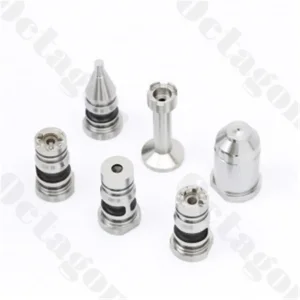
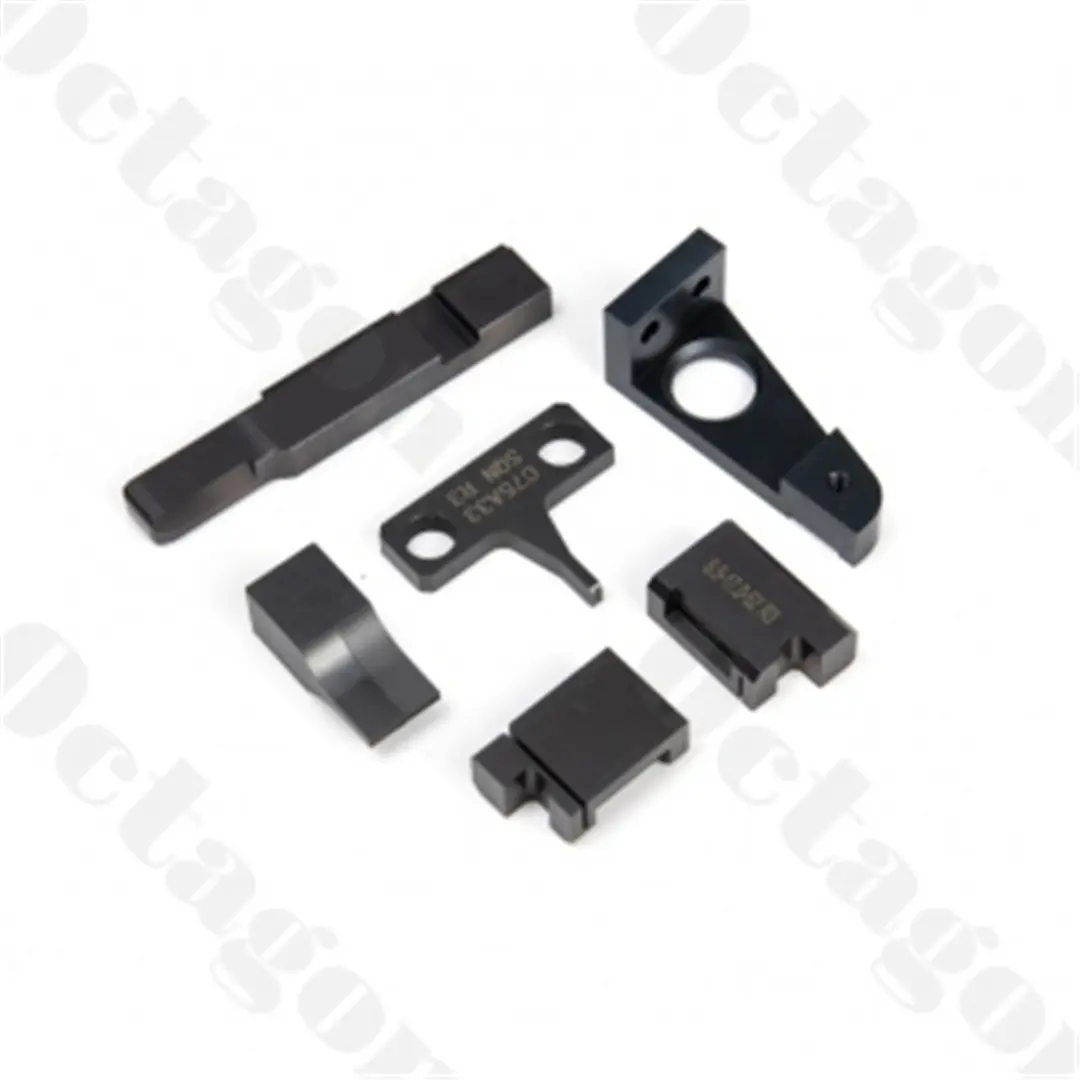
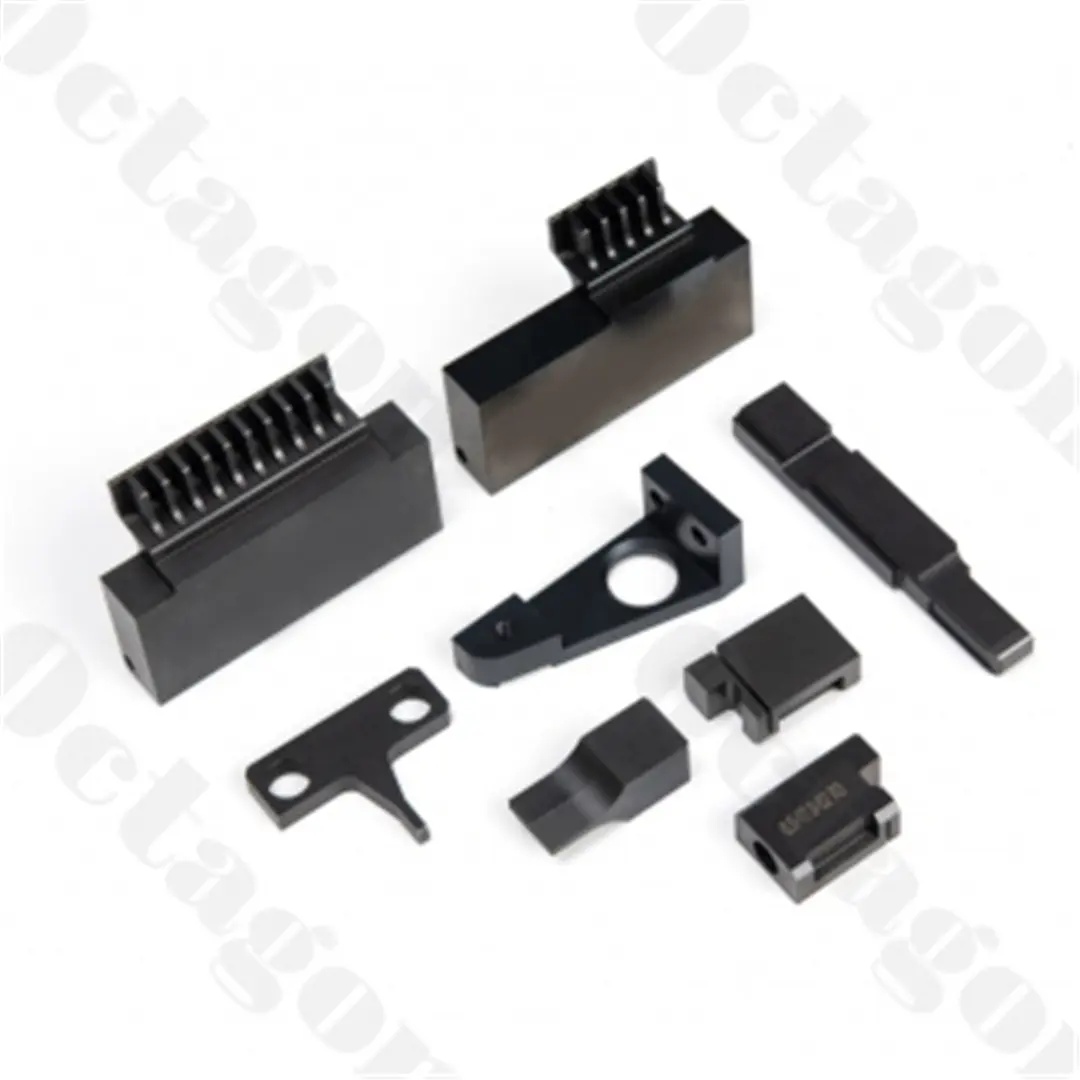
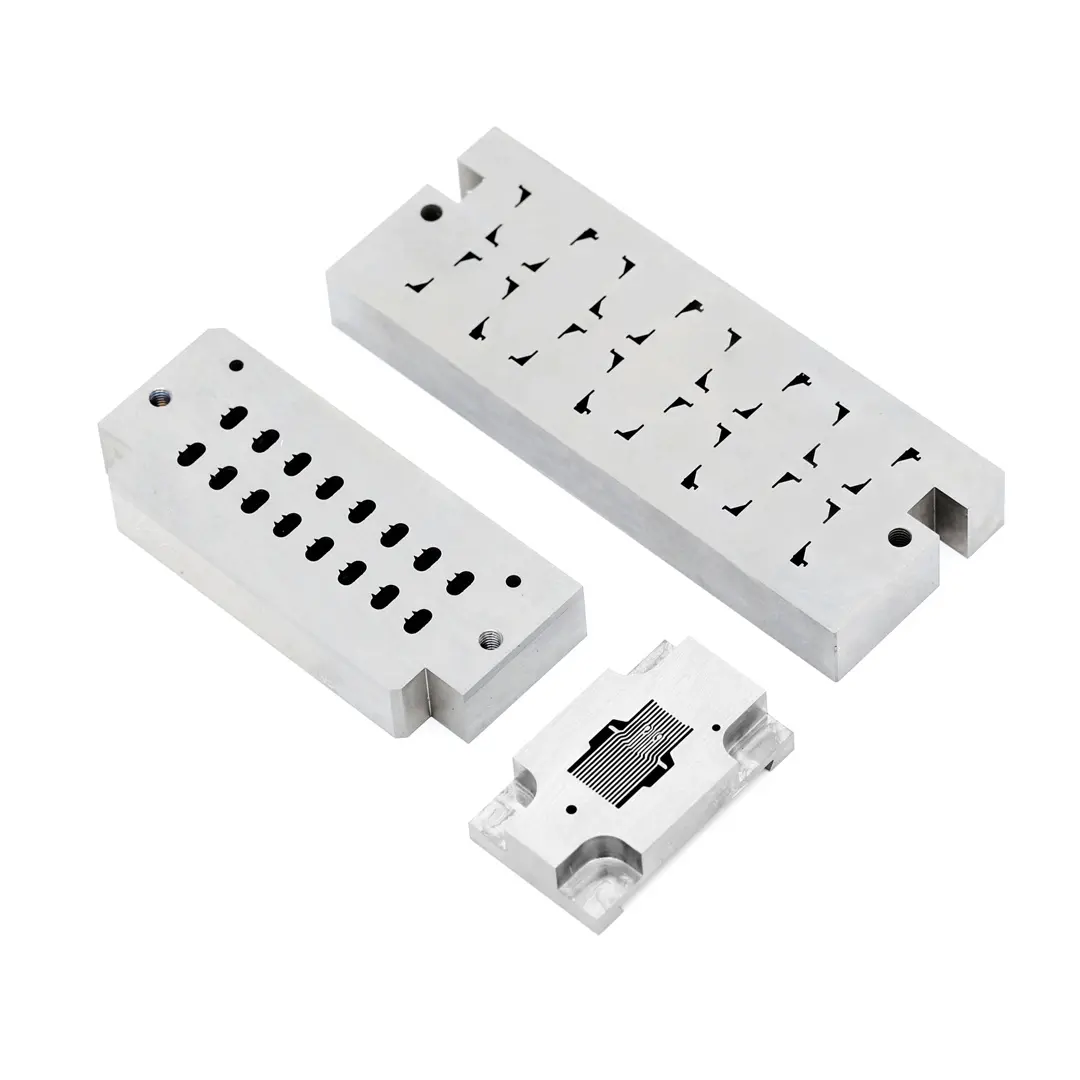
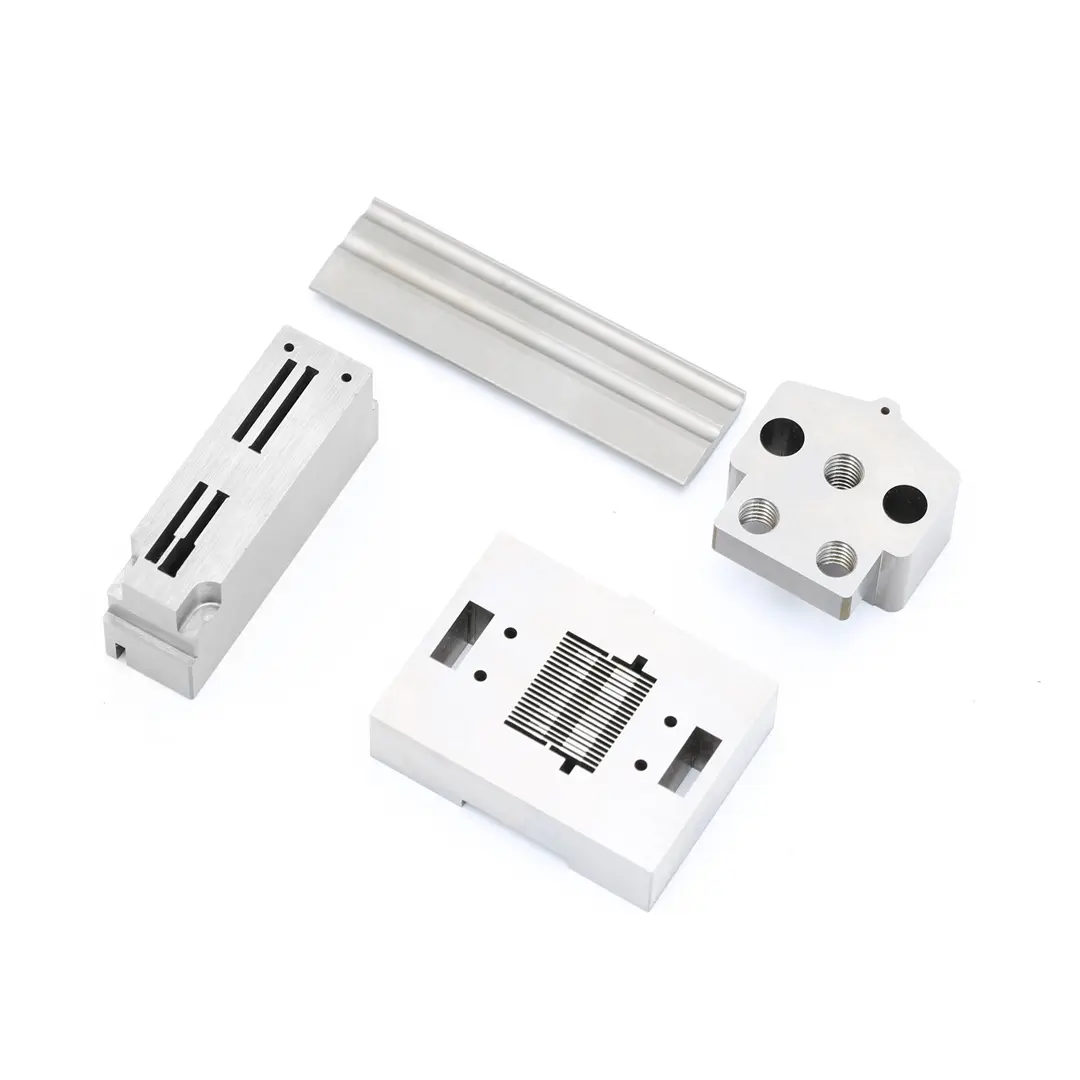
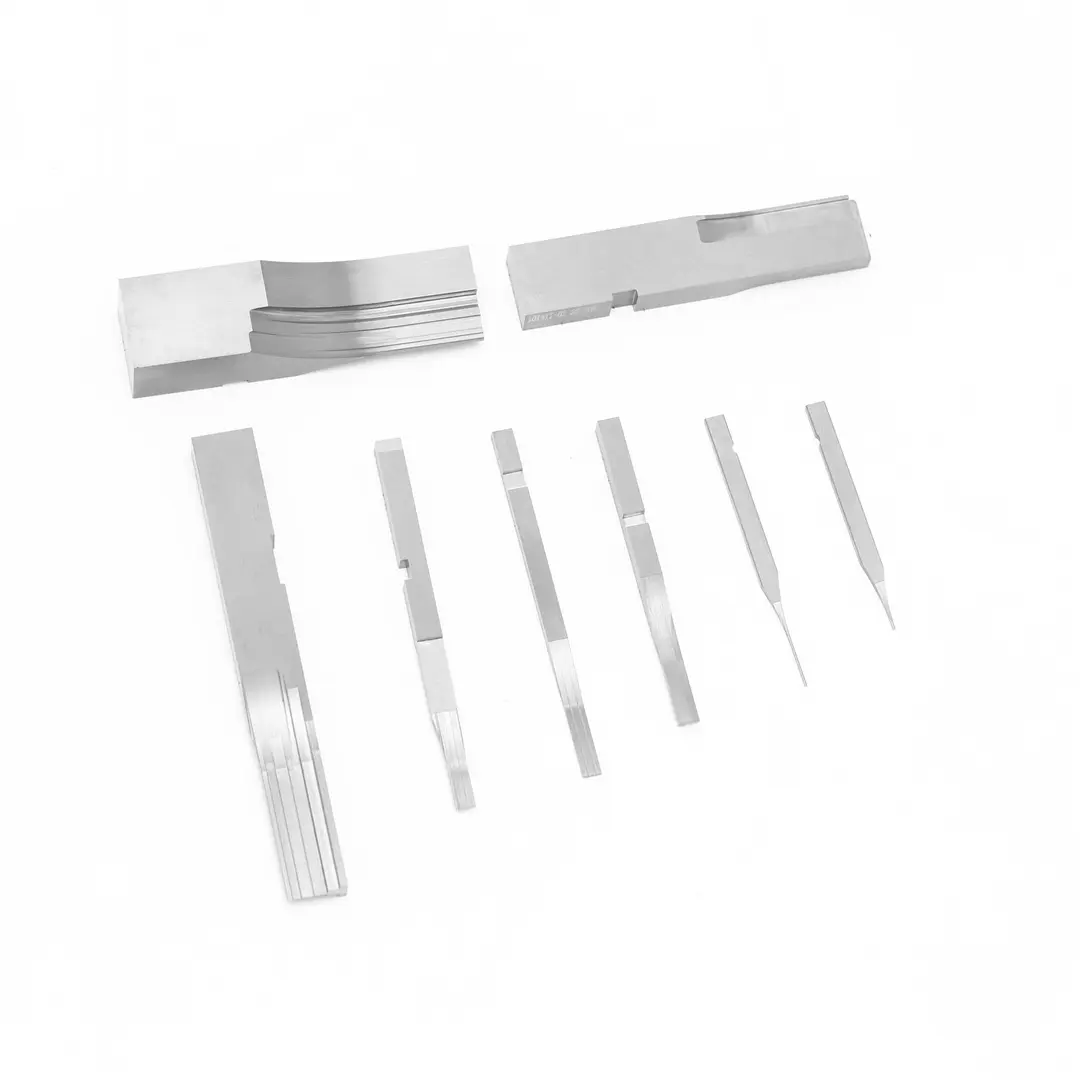
Material selection is critical in the manufacturing of stamping die components. High-strength, wear-resistant metals are primarily used, and they undergo meticulous processing to meet the demands of stamping applications. Given the frequent impacts and friction encountered during the stamping process, these materials exhibit excellent durability. This durability not only extends the lifespan of the components but also reduces costs associated with frequent replacements, ensuring the long-term stable operation of the die.
Tool steels, tungsten carbide, and other high-strength, wear-resistant alloy metals are most commonly utilized due to their ability to withstand heavy continuous impact.
Wear resistance prevents surface degradation from repetitive friction, ensuring tight tolerances are maintained and preventing premature tool deformation.
Although the initial material investment may be higher, the extended component lifespan reduces downtime, minimizes maintenance frequency, and eliminates continuous replacement costs.
Durable, high-grade metals resist thermal expansion, mechanical stress, and micro-fractures, allowing the stamping die to operate stably at high speeds and high volumes.
Precision heat treatment, surface hardening, advanced coating technologies (such as PVD/CVD), and meticulous CNC machining are applied to maximize structural resilience.