High-Quality China Mold Inserts: Essential Injection Molding Components from Trusted Suppliers and Quality Factory Production Exporter, Service
Product Description
Diverse Structures and Adaptability
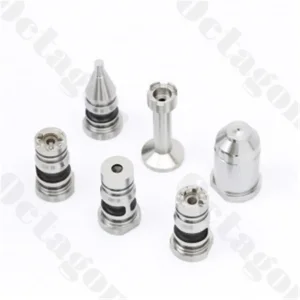
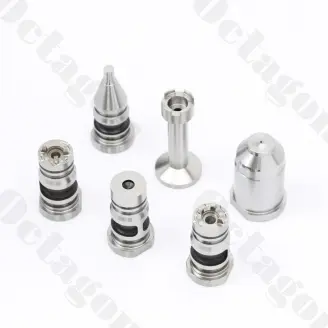
Mold inserts come in various shapes, including those with grid grooves, complex protrusions, and simple block forms. They are designed according to injection molding requirements to adapt to the different characteristics of plastic parts—some are responsible for forming precision holes, while others create unique surface textures.
This diversity allows molds to balance standardized and personalized production, meeting the needs of various injection molding scenarios. The ability to customize mold inserts for specific applications enhances their functionality and effectiveness in the production process.
Frequently Asked Questions
Q: What are the common shapes of mold inserts?
Mold inserts are available in a wide variety of shapes to fit specific production needs, including grid grooves, complex protrusions, and simple block forms.
Q: How do mold inserts adapt to different plastic part characteristics?
They are custom-designed based on specific injection molding requirements. Certain inserts are engineered to form high-precision holes, while others are textured to create unique surface finishes on the plastic parts.
Q: What is the main advantage of using diverse mold insert structures?
The diversity of structures allows manufacturers to easily balance standardized manufacturing with highly personalized production, making it simple to adapt to various injection molding scenarios.
Q: Can mold inserts be customized for specific applications?
Yes, customizing mold inserts for specific applications is highly effective. It significantly enhances the overall functionality, precision, and efficiency of the injection molding process.
Q: Do mold inserts help in reducing production costs?
Yes. By using interchangeable inserts for different product designs rather than manufacturing completely new molds, production costs and lead times are greatly reduced.