ODM China Sprue Bushing: Essential Injection Mold Component from Leading Suppliers and Factory Manufacturer, Products
Product Description
Function
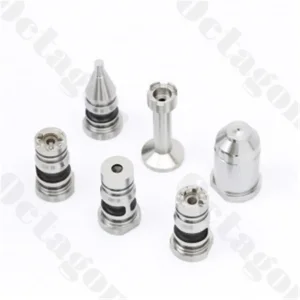
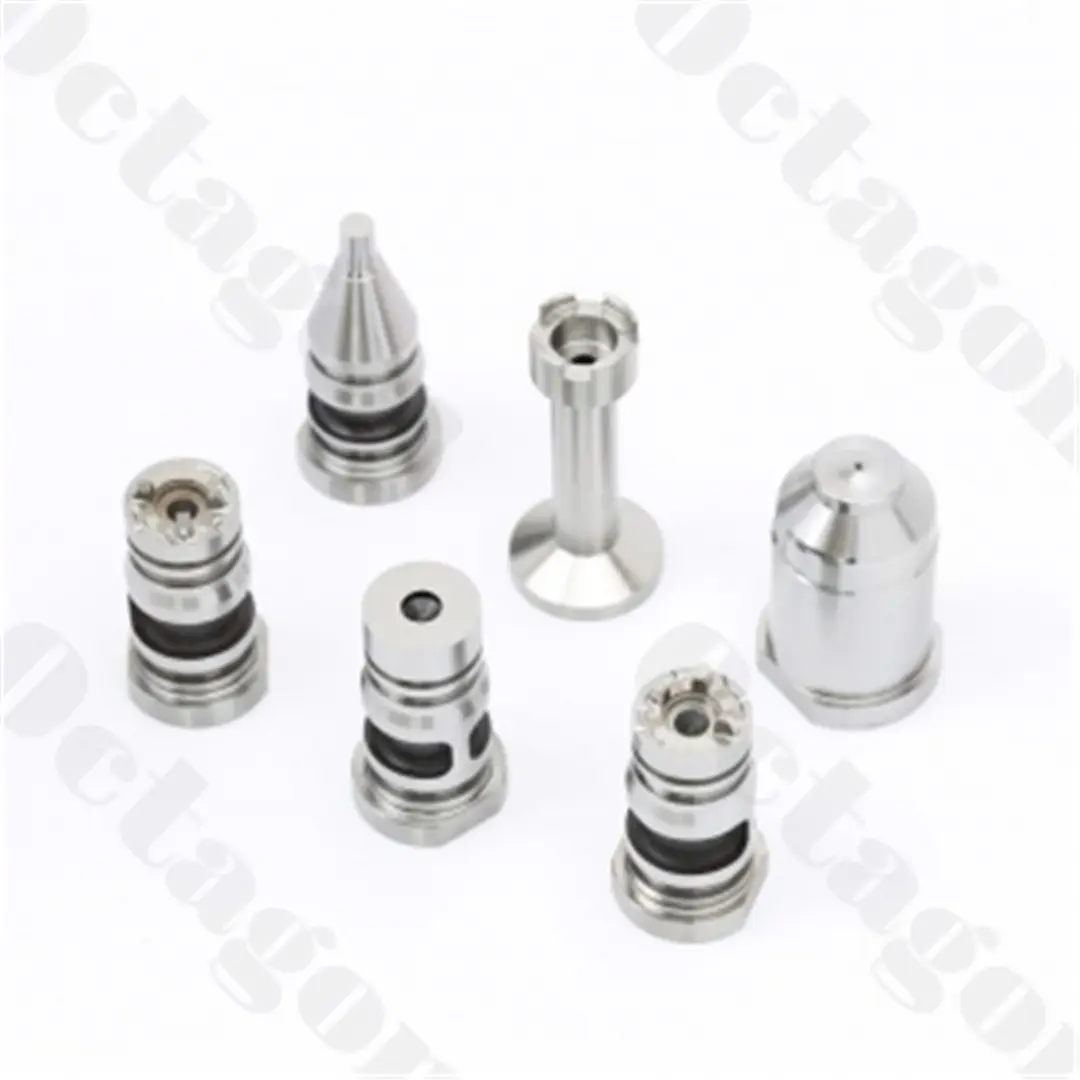
The main function of the sprue bushing is to guide the molten plastic into the mold while ensuring the flow of material during the injection process. Its design takes into account various factors, including the flowability of the material, temperature control, and the structural strength of the mold. Sprue bushings are typically made from high-temperature and wear-resistant materials, such as steel or aluminum alloys, to maintain good performance in high-temperature and high-pressure injection environments. Additionally, a well-designed sprue bushing can effectively reduce defects such as air bubbles and cold material, thereby improving the quality of the finished product.
Frequently Asked Questions
Q What is the primary function of a sprue bushing?
The primary function of a sprue bushing is to guide molten plastic into the mold cavity while maintaining a steady and controlled flow of material throughout the injection process.
Q What materials are commonly used for sprue bushings?
Sprue bushings are typically manufactured from high-temperature and wear-resistant materials, such as hardened steel or specialized aluminum alloys, to endure high-pressure environments.
Q What factors must be considered when designing a sprue bushing?
Key design factors include the flowability of the specific plastic material, precise temperature control requirements, and the overall structural strength of the mold.
Q How does a sprue bushing help reduce manufacturing defects?
A well-designed sprue bushing optimizes material flow and temperature, which minimizes common defects like air bubbles and cold material, resulting in a higher quality finished product.
Q Why is high-temperature resistance necessary for sprue bushings?
During injection molding, materials are processed under extreme heat and pressure. High-temperature resistance ensures the sprue bushing maintains structural integrity and performance over time.