Precision Engineering Portfolio
Featured Pressure Control & Pneumatic Boost Units
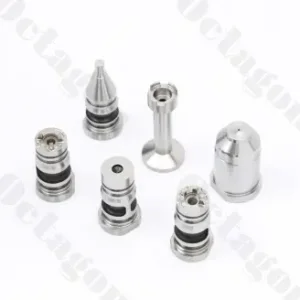
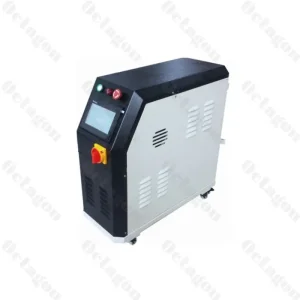
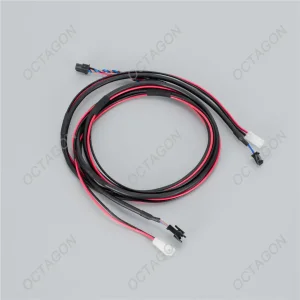
Direct factory configurations available for high-pressure amplification, precision mold gating, and electronic connectivity.
Market Dynamics & Industrial Demand
The Global Landscape of Pressure Control Valve Air Systems
Navigating complex manufacturing cycles requires ultra-reliable pneumatic regulation, zero-drift valve seats, and high-duty intensifier integration.
Pressure Stability & Zero-Leakage
In modern cleanroom and heavy automated assembly lines, standard pressure valves suffer from hysteresis and dynamic seal degradation. Sourcing managers demand valves with diamond-like carbon (DLC) coatings and precision-lapped ceramic or hardened steel spools that guarantee sub-millisecond response and zero leakage across millions of operational cycles.
Pneumatic-Hydraulic Harmonization
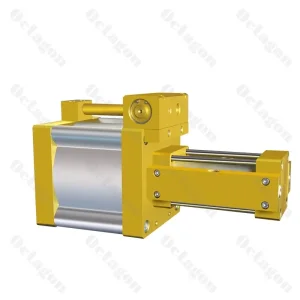
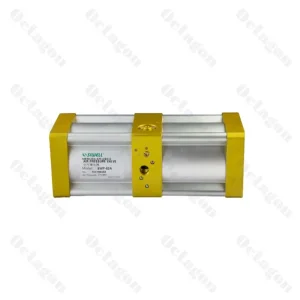
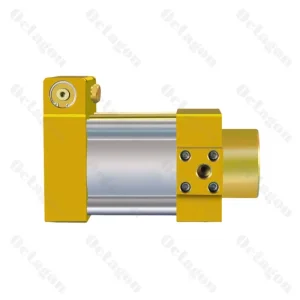
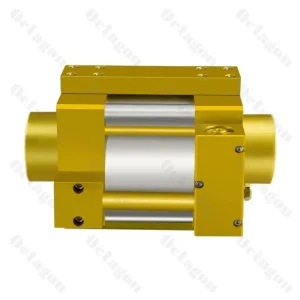
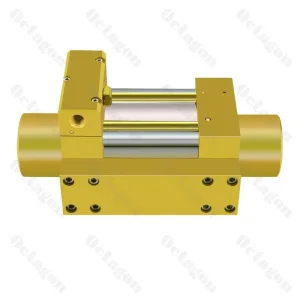
High-output compression, such as in-mold cutting automation (ranging from 1,000 to 7,000 kgf), requires seamless interface between air pressure control valves and gas-liquid booster pumps. Plants worldwide are phasing out noisy, oily hydraulic power packs in favor of air-over-oil booster architectures to minimize carbon footprint and plant utility load.
Supply Chain Traceability
Global tier-one OEMs require transparent material batching (MIL-STD, ASTM), micro-inch coordinate measuring machine (CMM) verification reports, and reliable regional warranty. Mitigating risk involves partnering with dual-location fabricators (Taiwan R&D and engineering coupled with scalable mainland precision infrastructure).
Engineering Deep-Dive
Engineered Pressure Control Solutions Across Sectors
How customized pneumatic pressure regulation solves critical manufacturing bottlenecks from micro-electronics to heavy die-casting.
Injection Molding Degating Systems
Operating inside tooling cavities requires fast-actuating pressure control manifolds. Our systems deliver proportional pressure bursts that trigger cutting cylinders prior to mold open, creating surgical part separations without burrs or secondary trim stations.
Medical & Diagnostic Device Harnessing
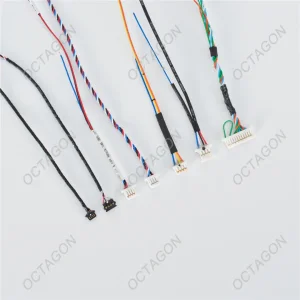
Pressure test valves deployed in breathing devices and cleanroom automation require non-lubricated internals and food-grade seal materials. Paired with our custom medical wire harnesses, these assemblies operate with ultra-low EMI interference and strict flow consistency.
Energy Storage Thermal Management
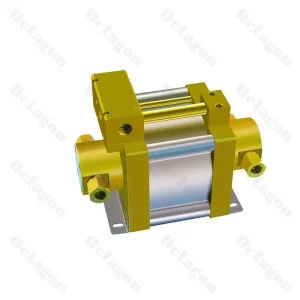
Battery module production requires air booster systems (SWP & SWB Series) integrated with closed-loop pressure relief valves to control coolant injection and dry-nitrogen pressure checks across high-volume ESS assembly lines.
| Valve & System Architecture | Inlet Pressure Range | Amplified Working Force | Tolerance & Surface Roughness | Primary Industrial Use-Case |
|---|---|---|---|---|
| Direct-Acting Proportional Air Valve | 0.2 – 0.8 MPa | Up to 2,500 N | ±0.002 mm / Ra 0.1 µm | Electronics Assembly, Wire Bond Fixtures |
| SWB-160D Gas-Liquid Intensifier | 0.3 – 0.85 MPa | Up to 7,000 kgf | ±0.005 mm / Ra 0.05 µm | In-Mold Degating, Cold Heading Clamping |
| Dual-Stage Pneumatic Sequence Valve | 0.1 – 1.0 MPa | Variable Proportional | ±0.003 mm / Ra 0.2 µm | Die-Casting Core Pulling, Stamping Dies |
| Medical Precision Regulating Manifold | 0.05 – 0.6 MPa | Custom Calibrated | ±0.002 mm / Electro-polished | Ventilator Testing, Diagnostic Reagent Flow |
Future Horizons
Technology Roadmap: Intelligent Pneumatics & Edge AI
How modern flow dynamics, real-time sensing, and digital twin calibrations redefine industrial pressure control valves for Industry 4.0.
Phase 1 · Current
Sub-Micron Machining
Precision mirror finishing down to Ra 0.05 µm on tool steel, titanium, and aerospace-grade aluminum. Elimination of seal friction through microscopic hydrodynamic air pockets.
Phase 2 · In-Production
IO-Link & Smart Sensing
Integrated piezoelectric transducers embedded directly into the valve sleeve to transmit real-time flow, thermal spikes, and cavity pressures over IO-Link protocols to plant SCADA.
Phase 3 · Near-Term
Predictive Maintenance
Edge algorithms tracking hysteresis shifts and transient pulse signatures, warning process technicians of seal degradation 100 operating hours before failure.
Phase 4 · Advanced R&D
Autonomous Regulators
Self-balancing pneumatic control valves adapting dynamically to factory line fluctuations, optimizing compressed air consumption by up to 28% per working station.
Trust & Compliance
Worldwide Compliance & Rapid Localization Framework
Engineered in Taiwan, manufactured at enterprise scale, and certified for seamless integration into EU, NA, and Asian production facilities.
Global Regulatory Compliance
All pneumatic control units, booster pumps, and associated automated cabinets adhere to European Machinery Directive 2006/42/EC, CE Certification, RoHS, and REACH guidelines. Full explosion-proof ATEX-compliant ratings are engineered for high-volatility environments.
Engineered-to-Order Support
Tailored flange dimensions, porting standards (NPT, G, BSPP), and customized electronic terminal pinouts. Engineering drawing reviews are completed within 24 hours by senior mechanical engineers with over 10 years of fluid power experience.
Logistics & Spares Consignment
Rapid replacement seal kits, spool sub-assemblies, and valve manifolds maintained across regional hubs in North America and Europe, preventing costly machine downtime and ensuring stable scheduled maintenance.
Direct Sourcing Guidance
Frequently Asked Technical Questions
In-depth engineering answers for procurement managers, tooling designers, and automation technicians.
What is the key difference between an air regulator and a pressure control valve?
While an air regulator primarily maintains a constant downstream pressure despite upstream variations, a pressure control valve dynamically governs sequencing, relief threshold, differential balance, and amplification. In specialized mold tooling and booster circuits, pressure control valves synchronize actions with hydraulic cylinders or intensifiers down to millisecond timing windows.
How does Octagon achieve tight ±0.002 mm tolerances on custom valves and mold parts?
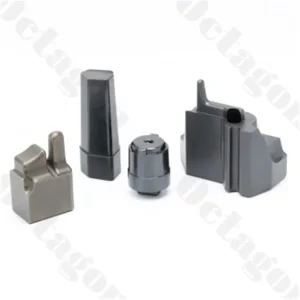
Our facilities leverage high-precision 5-axis CNC machining centers, slow-wire EDM, and sub-micron internal cylindrical grinding machines housed in temperature-stabilized environments. Each critical sealing component undergoes coordinate measuring machine (CMM) validation and optical laser scanning prior to shipment.
Can Octagon design custom manifold assemblies for existing manufacturing equipment?
Yes. Through our ODM model, our engineering group works from your CAD geometry (STEP, DWG, IGES) or physical samples. We optimize the internal flow gallery geometry, minimize dead fluid volume, and incorporate custom electrical harnesses or sensor ports to mate with your current machine configuration.
How does in-mold cutting automation replace secondary trimming operations?
By integrating high-pressure gas-liquid intensifier pumps (like SWB-160D) with precision timing valves, in-mold cylinders drive cutting blades directly into the gate while the injection mold remains clamped. This trims the plastic runner cleanly before solidification, entirely eliminating manual deburring, robotic degating fixtures, and secondary trim presses.
Complete Equipment & Component Lineup
Specialized Booster Pumps, Mold Parts & Interconnects
Explore our full line of pressure-boosting machinery, wiring harnesses, and custom tooling components.