OEM Mold Inserts: The Essential Components of Injection Molding Suppliers, Products
Product Description
Diverse Structures and Adaptability
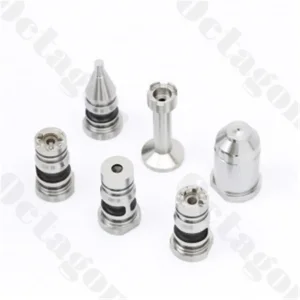
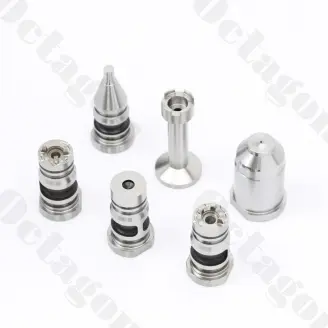
Mold inserts come in various shapes, including those with grid grooves, complex protrusions, and simple block forms. They are designed according to injection molding requirements to adapt to the different characteristics of plastic parts—some are responsible for forming precision holes, while others create unique surface textures. This diversity allows molds to balance standardized and personalized production, meeting the needs of various injection molding scenarios. The ability to customize mold inserts for specific applications enhances their functionality and effectiveness in the production process.
Versatile Configurations
Available in grid grooves, complex protrusions, and simple block shapes to match diverse product geometries.
Precision & Texturing
Engineered specifically to form tight-tolerance precision holes and generate distinctive surface finishes on plastic components.
Standard & Custom Balance
Combines standard tooling frameworks with personalized customization to optimize production flexibility and operational efficiency.
Frequently Asked Questions
Q: What structural shapes are typically available for mold inserts?
Mold inserts come in a diverse range of configurations, including simple block forms, surfaces with grid grooves, and parts with intricate, complex protrusions tailored to the part design.
Q: How do mold inserts contribute to forming precision features?
Dedicated mold inserts are crafted to deliver accurate geometry, facilitating the precise shaping of critical holes, internal slots, and specialized surface textures on injection-molded components.
Q: Why are mold inserts important for balancing standardized and customized production?
By utilizing modular or swappable inserts within a standardized mold base, manufacturers can efficiently accommodate customized part designs without fabricating an entirely new mold tool.
Q: How does insert customization improve injection molding effectiveness?
Customizing inserts ensures they match specific material behaviors, cooling demands, and cosmetic requirements, resulting in fewer molding defects, improved cycle efficiency, and enhanced final part quality.
Q: Can mold inserts be adapted to different injection molding requirements?
Yes, their primary engineering purpose is adaptability, allowing mold designs to easily modify individual sections to meet shifting production volumes, material characteristics, or aesthetic finishes.