IP68 Electronics
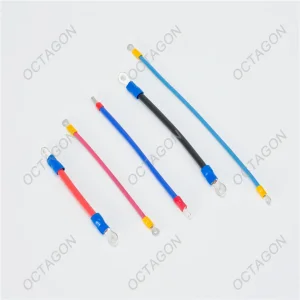
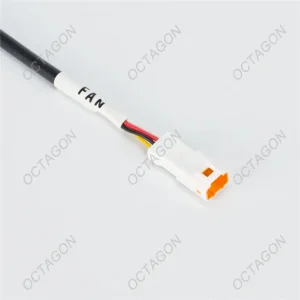
OEM Waterproof Series Harnesses (IP68) - China Suppliers & Factory for Automotive, Industrial & Consumer Electronics Products, Service
View Specification
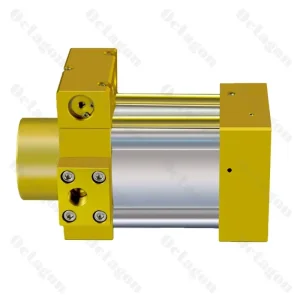
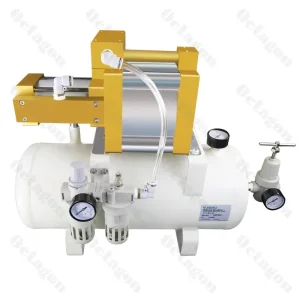
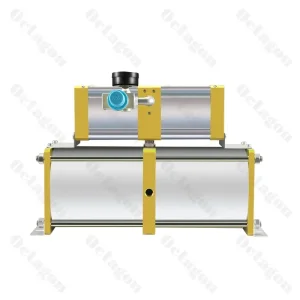
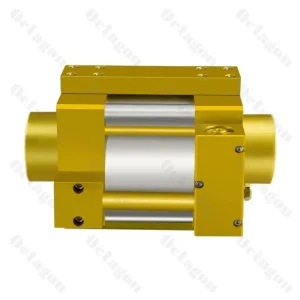
Deploying precision booster pumps and specialized wiring architecture configured to eliminate hydraulic variations and dynamic fill pressure dropouts.
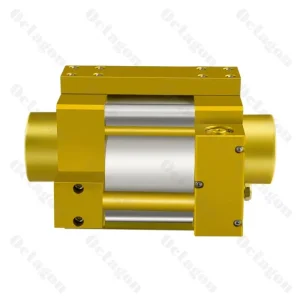
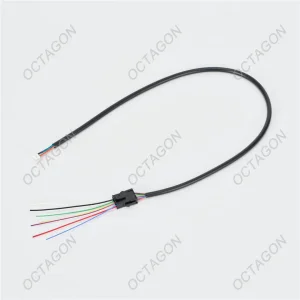
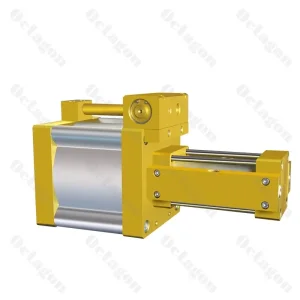
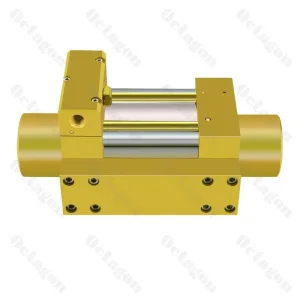
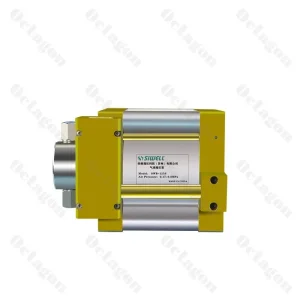
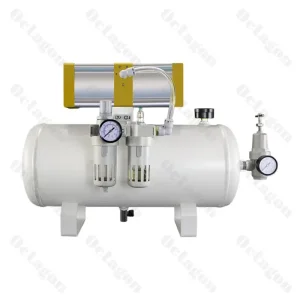
A short shot occurs when molten thermoplastic fails to fully consolidate the entire cavity volume prior to freeze-off. Solving this demands an empirical understanding of melt viscosity, thermodynamic shear, and tooling mechanics.
Melt viscosity shifts dramatically under non-Newtonian flow regimes. When wall thickness drops below 0.8 mm, the frozen skin layer expands exponentially, restricting core flow and inducing early freeze-off before reaching the flow ends.
Cavity air compressed ahead of the polymer wavefront builds intense counter-pressure. Without deep micro-venting (0.015–0.025 mm), backpressure surpasses maximum nozzle capability, starving mold ribs and thin features.
Unbalanced conformal cooling circuits trigger localized cold spots. A 15°C temperature drop along a runner branch triples the local melt shear stress, initiating premature gate solidification before peak packing pressure is reached.
| Diagnostic Factor | Conventional Mold Remediation | Octagon Precision High-Tolerance Approach | Yield & Performance Benefit |
|---|---|---|---|
| Dimensional Cavity Variance | ±0.015 mm to ±0.020 mm | ±0.002 mm Sub-Micron Precision | Guarantees identical multi-cavity fill pressure balance |
| Hydraulic Boost Dynamics | Standard shop pneumatic pressure (6–8 bar) | Octagon SWP/SWB Series (100–160 Bar Output) | Prevents cavitation in thin walls & high L/T ratio parts |
| Gate Cut & Shear Control | Manual off-line clipping (Inconsistent residual gate) | In-Mold Hydraulic Degating (1,000–7,000 kgf) | Eliminates secondary gate freeze resistance automatically |
| Core Venting Integrity | Manual hand-stoning / EDM wire vents | High-Speed Optical Profile Grinding Ra 0.05–0.2 μm | Zero flash, zero scorch marks, complete air exhaustion |
Across the global injection molding arena—projected to surpass USD $380 Billion by 2028—short shots represent the leading contributor to unplanned scrap and capacity waste in high-speed manufacturing environments.
The push for electric vehicle range extension requires thin-walled structural carriers, battery module retainers, and high-pin waterproof connectors. These parts utilize high-modulus, glass-filled engineering resins (e.g., PA66-GF30, PBT) that exhibit razor-thin processing windows and extreme vulnerability to hesitation marks.
Micro-fluidic biochips and IV components cannot tolerate flow hesitation, weld lines, or microscopic starvation voids. Molders operating in Class 100,000 cleanrooms mandate tooling engineered to sub-micron accuracy where venting operates without shedding particulate contamination.
Miniaturized 5G equipment enclosures, smart wearable bezels, and multi-tier acoustic speaker housings demand ultra-precise tool inserts. Tool deflection of even 0.005 mm can instantly starve miniature latching tabs, causing high downstream assembly failure rates.
Combining Taiwan's rigorous quality governance with southern China's industrial ecosystem, Octagon delivers an engineering loop that cuts mold delivery and qualification cycles by up to 50% compared to Western counterparts.
Our 190+ member technical team executes comprehensive Moldflow simulations within 48 hours, highlighting gate freeze times, volumetric shrinkage, and air trap locations prior to tool steel cutting.
Located within the world’s most concentrated tooling corridor, specialty heat treatments, PVD coatings (DLC, TiAlN), and optical EDM services are completed within hours rather than weeks.
Equipped with high-precision Yasda, Makino, and Sodick machinery, we maintain ±0.002 mm tolerances across all interchangeable core and cavity inserts, guaranteeing identical multi-cavity balance.
Certified material certs (Assab, Uddeholm), full CMM coordinate reports, and Zeiss optical scans accompany every tooling shipment to assure global quality compliance.
Review how integrated in-mold automation, auxiliary gas-liquid boosters, and precision insert engineering solve acute fill dilemmas across diverse industrial lines.
Challenge: 35% glass-filled polyphthalamide (PPA) wiring guides failed with short shots on thin retaining clips 320 mm from the sprue.
Solution: Implementation of Octagon SWP-7.5-G auxiliary booster to deliver stable actuation pressure for core pulls combined with local vacuum extraction venting.
Outcome: Defect rate dropped from 4.8% to 0.002% across 1,200,000 cycles.
Challenge: Micro-cavity starvation at the perimeter sealing lip of liquid silicone rubber (LSR) and PBT dual-shot modules.
Solution: Replacing standard cavity inserts with Octagon mirror-finished core inserts (Ra 0.05 μm) and sub-micron perimeter vents.
Outcome: Rejection rates reduced to 0 PPM, and cycle times compressed by 2.4 seconds.
Challenge: Micro-particulate flash occurred whenever injection pressure was raised to eliminate thin-rib short shots in a 16-cavity tool.
Solution: Retrofitted Octagon’s In-Mold Automation Degating System with High-Pressure Timing Cabinet (5,000 kgf cutting force).
Outcome: Eliminated secondary gate shearing, stabilized cavity pressure, and reached 99.98% first-pass yield.
The battle against short shots is evolving from static tool design to dynamic, closed-loop cyber-physical molding systems powered by Industry 4.0 standards.
Modern tooling integrates piezoelectric pressure transducers directly behind ejector pins. When melt wavefront progression slows, real-time data prompts machine controllers to adapt injection velocity profiles before short shots materialize.
Direct Metal Laser Sintering (DMLS) creates conformal cooling channels that cycle between superheated steam (up to 160°C) during injection and chilled coolant during freeze-off, removing flow hesitation in sub-0.5 mm walls without increasing overall cycle time.
Auxiliary booster pumps (such as the Octagon SWB and SWP lines) are integrating IO-Link digital buses, supplying continuous telemetry on pressure curves, cycle spikes, and valve status to plant-wide MES platforms for predictive maintenance.
When tier-1 global procurement teams vet tooling partners, their technical audits focus on six critical criteria to guarantee zero short shots during high-volume production.
Tool life depends on steel purity. We use certified European and Japanese tool steels (H13, S136, Stavax, 1.2344) through-hardened to HRC 48–54 to stop gate erosion and cavity deformation that cause fill imbalance over multi-million shot lifespans.
Calculated mold base deflection must stay under 0.01 mm under full clamp tonnage (500–3,000 tons). Octagon utilizes optimized support pillar matrices and high-tensile backing plates to stop platen flexing during peak intensification.
For multi-drop hot runner setups, manifold channel geometry must be naturally balanced with equal branch volumes, matched shear histories, and separate PID zone control across every nozzle tip.
Every blind pocket, internal boss, and weld-line convergence point must include precision micro-vents (0.015–0.020 mm depth with a 1.5 mm relief land) to exhaust trapped nitrogen and volatiles without inducing flash.
Tooling with complex slides or internal degating mandates stable auxiliary pressure. Installing systems like the Octagon SWP-02A pneumatic booster prevents plant air drops from compromising core actuation.
A rigorous 300-shot dry-cycle and dynamic CMM inspection report tracking 32 critical part dimensions ensures tools run reliably on day one without requiring trial-and-error changes on the buyer's press floor.
Engineered responses to critical troubleshooting, quality management, and tooling design challenges.
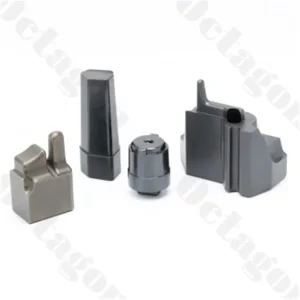
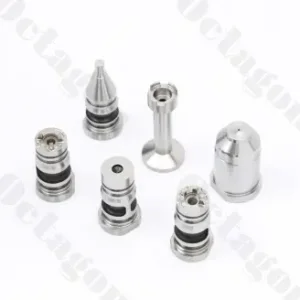
Explore our full line of precision die casting components, mold inserts, high-pressure booster systems, and energy storage collection harnesses.