
Precision Fluid Handling & Power Boosting Portfolio
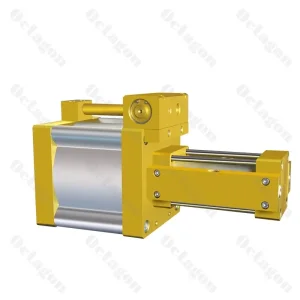
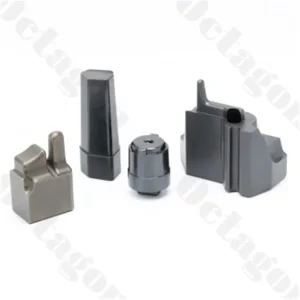
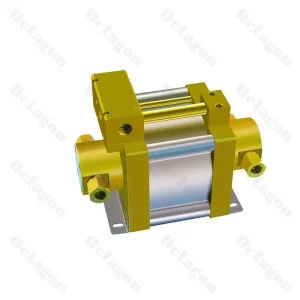
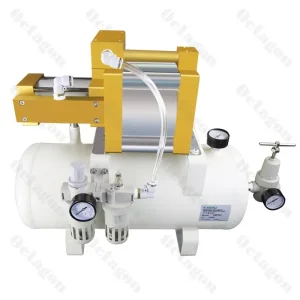
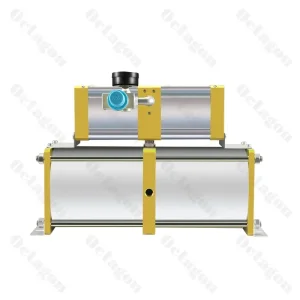
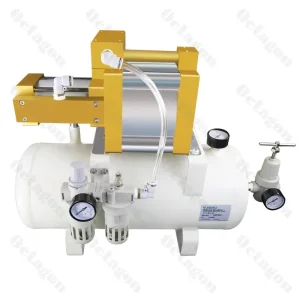
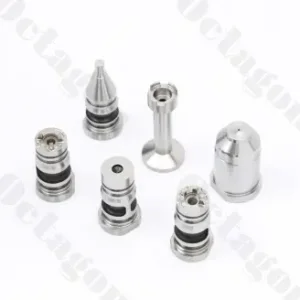
Explore precision-machined booster systems, non-standard mold components, and high-pressure fluid valves manufactured with strict micron-level tolerances.
Engineering Principles of Combination Air Release Vacuum Valves
A rigorous examination of fluid dynamics, air-water transient behavior, aerodynamic float kinetics, and cavitation suppression in critical piping conduits.
1. Kinetic Bulk Air Discharge
During initial pipeline charging and pump start-up, massive volumes of air must be evacuated at sonic and subsonic velocities without triggering premature closure (air blow shut). The aerodynamic kinetic float is dynamically contoured so that high-velocity escaping air (up to Mach 0.7) creates zero aerodynamic lift on the disc, keeping the large orifice open until the water column arrives.
2. Immediate Vacuum Relief
Upon power trips, burst pipes, or planned drainage, the internal pipeline pressure drops below atmospheric pressure. The large buoyant float drops instantaneously by gravity, opening a full-bore intake path that admits large atmospheric air volumes. This eliminates sub-atmospheric vapor cavity formation and preserves pipeline structural walls against radial buckling.
3. Pressurized Small Orifice Venting
Under steady-state continuous pumping operations, dissolved gases separate from water at pipe apexes and form localized air bubbles. The small automatic release orifice operates under maximum line pressures up to 6.4 MPa, discharging micro air accumulations through a leverage mechanism without permitting liquid egress.
Standard rapid-exhaust air valves close abruptly when the oncoming water column strikes the float, resulting in secondary hydraulic shock spikes that can exceed 3 to 5 times the static operating pressure. Modern OEM engineering incorporates internal deceleration switches or surge suppression disc throttles. When air discharge approaches critical velocity, the disc dampens the closing action, allowing controlled cushioning without high-pressure water hammer.
Why Tier-1 EPCs Partner with Our China Manufacturing Ecosystem
Leveraging high-precision tooling legacy, certified metallurgical casting, and fully automated CNC machining to deliver world-class hydraulic performance at unmatched cost efficiency.
Foundry & Metallurgical Control
In-house ductile iron (EN-GJS-400-15 / 500-7), cast carbon steel (WCB), and duplex stainless steel casting with optical emission spectrometer verification ensuring void-free structural shells up to PN64 ratings.
±0.002 mm Tooling Heritage
Rooted in Taiwanese engineering standards and over 15 years of high-precision mold manufacturing, our multi-axis CNC cells machine valve seats, guide tracks, and float mechanisms to micron tolerances, guaranteeing zero-binding kinematics.
FBE Protective Coatings
Electrostatic fusion bonded epoxy (FBE) powder coating with a minimum dry film thickness of 300 μm in full compliance with DIN 30677-2 and WRAS guidelines, imparting complete resistance to soil corrosion and chlorinated water attack.
Agile OEM/ODM Co-Development
Direct collaborative access to hydraulic CAD/CFD engineers. We custom design venting ratios, anti-slam thresholds, flanged connections (ANSI, BS, EN, JIS), and custom anti-tamper hoods for desert or floodable vault applications.
Engineering Specifications & Material Matrix
Comprehensive standard configurations for potables, reclaimed water, desalination, and raw sewage networks.
| Parameter / Component | Potable Water / Clear Fluid (Series CARV-CW) | Wastewater & Slurry (Series CARV-WW) | Desalination / SWRO (Series CARV-DS) |
|---|---|---|---|
| Nominal Size Range | DN50 – DN300 (2" to 12") | DN50 – DN200 (2" to 8") | DN50 – DN250 (2" to 10") |
| Nominal Pressure | PN10, PN16, PN25, PN40, PN64 | PN10, PN16, PN25 | PN16, PN25, PN40, Class 300 |
| Body & Bonnet Material | Ductile Iron GGG50 / EN-GJS-500-7 | Ductile Iron GGG40 / SS316 | Super Duplex 2507 / Nickel Aluminum Bronze |
| Float Mechanism | Solid Polypropylene / AISI 316 Stainless | Elongated Conical AISI 316 Float | Solid High-Density Polypropylene / Duplex 2205 |
| Resilient Resealing Seat | WRAS-approved EPDM / NBR | NBR / FKM Viton | EPDM High-Purity Peroxide Cured |
| Minimum Sealing Pressure | 0.2 bar (2.9 psi) Bubble Tight | 0.3 bar (4.3 psi) Bubble Tight | 0.2 bar (2.9 psi) Bubble Tight |
| Applicable Standards | AWWA C512, EN 1074-4, ISO 5208 | EN 1074-4, AS 4956 | ASME B16.34, EN 1074-4, CE/PED |
| Anti-Slam Protection | Integrated Surge Check Disc | Extended Air Cushion Draft | Dual-Chamber Modulated Vent |
Mission-Critical Application Scenarios & Industry Solutions
Where failure is not an option: engineered deployments safeguarding regional pipelines against catastrophic hydraulic transients.
1. Long-Distance Municipal Water Transmission
Bulk water mains navigating variable terrain encounter multiple topographical summits where static air traps naturally form. Installing combination valves at all peaks, break-pressure points, and uniform downhill gradients ensures maximum hydraulic throughput and prevents column separation shock when high-head transmission pumps undergo abrupt power loss.
2. Sea Water Reverse Osmosis (SWRO) & Brine Lines
Desalination facilities operate in hyper-corrosive marine environments with high chloride content. Our OEM super duplex (UNS S32750/S31803) and nickel-aluminum bronze combination valves handle high-pressure reject brine streams, preventing air-induced micro-cavitation on membrane assemblies while surviving severe pitting corrosion.
3. Wastewater Lift Stations & Slurry Transport
Raw sewage systems carry fibrous solids, grease, and biological gasses (H2S). Standard valves clog rapidly. Our single-chamber elongated conical float design places the liquid-air interface well below the sealing mechanism, ensuring floating debris never contaminates the precision sealing orifice.
4. Modern Agricultural Drip & Sprinkler Networks
Extensive agricultural irrigation manifolds feature thin-walled PVC and lay-flat hoses prone to vacuum collapse during system shut-off. Quick vacuum intake combined with gentle, continuous air expulsion protects delicate emitters and prevents suction of soil particles back into drip nozzles.
5. Thermal Power & Industrial HVAC Chilled Water Loops
Large cooling loops suffer from vapor lock and accelerated pipe scale when entrained oxygen is not continuously evacuated. High-pressure small orifice vents discharge non-condensable gasses, restoring heat transfer coefficients and protecting high-efficiency chiller heat exchangers.
6. Deep-Well Pumping & High-Head Turbines
Deep-well turbine start-ups propel vertical water columns at high velocity against closed columns. The combination air valve releases initial air column effortlessly and throttles the final closing velocity via an anti-surge mechanism, dampening pressure waves before they strike turbine impellers.
International Procurement Requirements & Quality Protocols
Meeting the stringent verification frameworks required by international utility operators, EPC contractors, and mechanical consultants.
100% Dual-Stage Pressure Testing
Every single valve undergoes hydrostatic shell testing at 1.5× PN rating and low-pressure leak testing at 0.2 bar (2.9 psi) to verify positive float seat sealing under near-atmospheric conditions, eliminating micro-weeping.
Total Cost of Ownership (TCO) Optimization
By preventing air-pocket induced head losses, our combination valves reduce pumping electrical draw by up to 18%. Minimal wear components and stainless steel internal linkages ensure 10+ years of maintenance-free operation.
Full Traceability Documentation
All shipments are provided with comprehensive 3.1 EN 10204 Mill Test Certificates (MTC), ultrasonic thickness reports, coating spark test verification, and hydraulic flow-versus-differential-pressure performance curves.
Frequently Asked Questions on Combination Air Valves
Direct technical answers addressing hydraulic sizing, transient protection, materials, installation, and procurement lead times.
What is the fundamental difference between single, double, and triple-function air valves?
Single-function valves only release micro air pockets under operating pressure (air release valve). Double-function models handle high-volume air exhaust during line filling and rapid vacuum intake (air/vacuum valve). A Combination (Triple-Function) Air Valve integrates all three tasks into one valve body: venting bulk air, vacuum protection, and continuous micro-air discharge under line pressure.
How does an anti-slam surge suppression mechanism operate?
An anti-slam valve includes a spring-loaded or float-assisted throttle disc located over the discharge port. When air discharge velocity exceeds a predetermined safe threshold (indicating oncoming water is approaching rapidly), the throttle disc partially closes the exhaust orifice, creating a decelerating pneumatic cushion that softens water arrival and prevents destructive water hammer.
Where should combination air valves be positioned along a pipeline?
Key locations include: 1) High points and peaks relative to the hydraulic grade line; 2) Immediately downstream of pumps and non-return check valves; 3) Long uniform horizontal stretches (every 500 to 1,000 meters); 4) Abrupt slope change transitions; 5) Upstream of major throttling valves or flow meters; and 6) At river or road crossing inverted siphons.
How are combination air valves sized for intake and exhaust capacity?
Sizing is determined by two conditions: 1) Maximum allowable filling rate (exhaust airflow calculation based on allowable differential pressure, typically 0.1 to 0.3 bar); and 2) Worst-case drain or rupture gravity flow (vacuum air intake calculation based on the pipe collapse strength, preventing pipe vacuum from exceeding 0.35 bar below atmosphere).
Can Octagon manufacture custom flange drillings and private label branding?
Yes. As a full-service OEM/ODM manufacturer, we produce bodies with flanged connections matching ANSI B16.5 / B16.42 Class 150/300, EN 1092-2 PN10-PN64, AS 4087, or JIS standards. We offer private-label casting nameplates, custom epoxy colors, and client-tailored laser engraving.
What is the typical production and export lead time?
Standard ductile iron combination valves (DN50 to DN200) carry a standard manufacturing cycle of 2 to 3 weeks for container orders. Special alloy valves (Duplex 2205, Super Duplex, or WCB) typically ship within 4 to 5 weeks. Air-freighted engineering samples can be completed in 7 to 10 days.
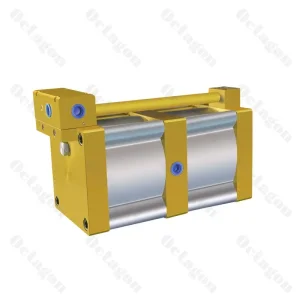
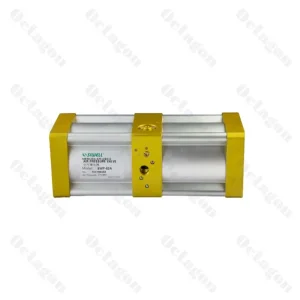
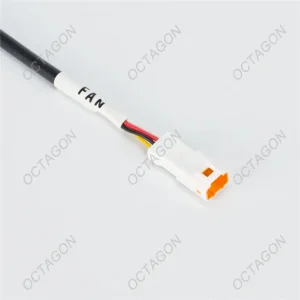
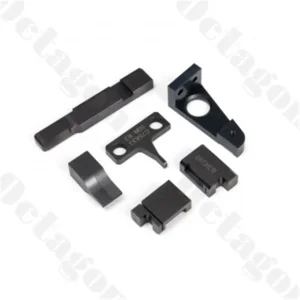
Precision Mold Systems, High-Pressure Boosters & Wiring Harnesses
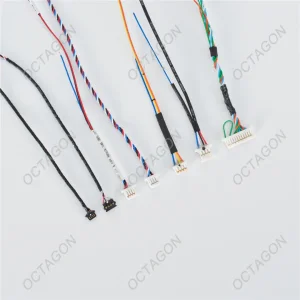
Explore our integrated precision manufacturing line: die casting dies, industrial harnesses, and high-efficiency gas-liquid boost technology.
Request Custom Hydraulic Sizing & OEM Factory Pricing
Whether you require standard AWWA/EN compliant combination air release vacuum valves, anti-slam surge cushions, or customized super-alloy valve bodies, our engineering team in Taoyuan and mainland production facilities deliver exact specifications within your delivery deadline.