Industry 4.0 Sub-Gating Automation Whitepaper

OEM Sub Gate Injection Molding Factories & Service

Engineered Precision In-Mold Degating Solutions, Micro-Tolerance Tooling, and Automated Micro-Degating Systems for Medical, Automotive, and High-Density Electronics.

Direct Sourcing Catalog · Top Featured

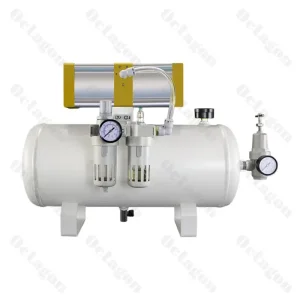
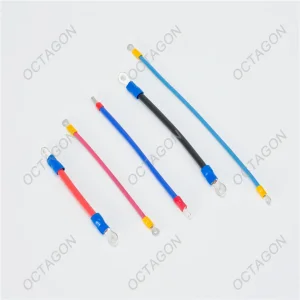
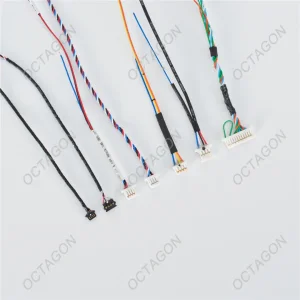
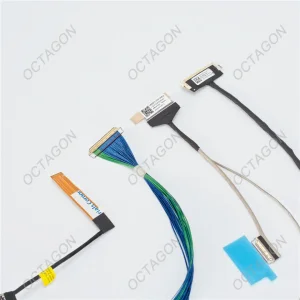
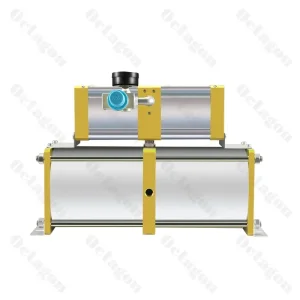
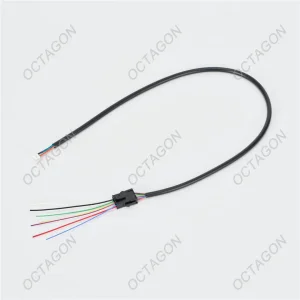
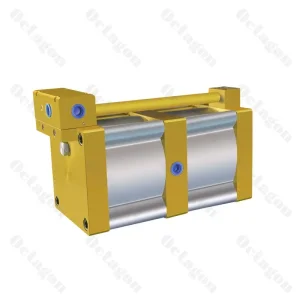
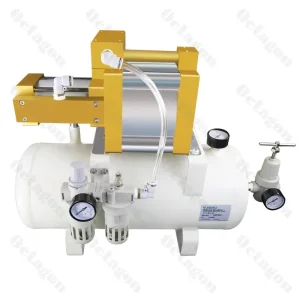
Featured Industrial Components & Automation Subsystems

High-precision pneumatic boosting components, high-density harness lines, and custom mold hardware manufactured under rigid quality thresholds.

Global Injection Tooling Analysis

Global Landscape of Sub Gate (Tunnel Gate) Injection Molding

Submarine gating (sub-gating) has evolved from an engineering option to an absolute baseline requirement for mass-scale automated manufacturing. By positioning the gating channel beneath the mold parting line, the shearing action during part ejection automatically decouples the runner from the molded workpiece, completely eliminating secondary manual degating costs.

Direct OPEX Optimization

Global procurement teams estimate that traditional cold-runner edge gating incurs approximately $0.03 to $0.12 per unit in manual post-processing. High-cavitation submarine gates automate trimming during mold stroke opening, cutting total part cycle time by 18–35%.
Cosmetic Vestige Minimization

With consumer tech and surgical components requiring flawless Class-A surface aesthetics, sub gates inject molten resin beneath the visible cosmetic boundary or inside rib intersections, guaranteeing zero visible gate vestige on front-facing consumer surfaces.

Advanced Rheological Dynamics

Modern CAD/CAE thermal modeling enables high-shear tunnel gate orifices down to 0.4mm without inducing gate blush, polymer degradation, or excessive freeze-off, maintaining dynamic pack-and-hold pressures across multi-cavity layouts.

Gating Methodology Gate Vestige Height Automation Compatibility Degating Mechanism Tooling Maintenance Cost
Standard Sub Gate (Tunnel Gate) Flush / Sub-Flush (0.00 to -0.05mm) 100% Fully Automated Mechanical Ejection Shear Low-to-Medium (Replaceable inserts)
In-Mold Active Cutting Sub Gate Zero Residual Vestige (<0.01mm) 100% Industry 4.0 Inline Hydraulic / Pneumatic In-Mold Blade Standardized Modular Spares
Direct Edge Gate Protruding (0.30mm - 1.20mm) Requires Secondary Cutting Cell Manual Trimming or External Robot Very Low Initial Tooling Cost
Hot Runner Pin-Point Gate Pimple Vestige (0.10mm - 0.35mm) High (Sprueless) Thermal Break / Valve Pin Shutoff High Thermal/Manifold Complexity
±0.002mm
Ultra-Precision Machining Tolerance
45+
Registered In-Mold Tooling Patents
35%
Average Cycle Time Compression
60+
Export Tier-1 Strategic Markets
Manufacturing Agility & Scalability

China OEM Factory Advantages: High-Mix Scalability & Speed

Combining Taiwanese engineering disciplines with the sprawling manufacturing clusters of South and East China creates unmatched operational efficiency. Our OEM sub gate tooling ecosystem converges multi-axis CNC wire-EDM, automated EDM spark erosion, and in-house validation presses under a single roof.

Compressed T0 Lead Times

By leveraging regional supply chains for ASSAB, Böhler, and Daido certified tool steels (such as S136, H13, and NAK80), prototype multi-cavity sub-gate tooling moves from CAD lock-in to T0 test shots in 18 to 24 calendar days.

Standardized Modular Insert Eco-system

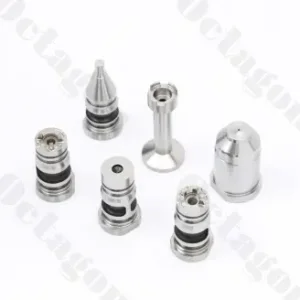
Sub gate tips endure immense cyclic shear stress and eventual erosion. Our factories design modular tunnel inserts machined with sub-micron CNC EDM spark erosion, enabling field replacement without removing the core/cavity block from the press.

Integrated Downstream Harnessing & Boosters

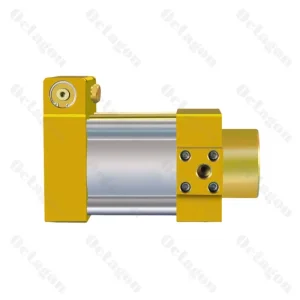
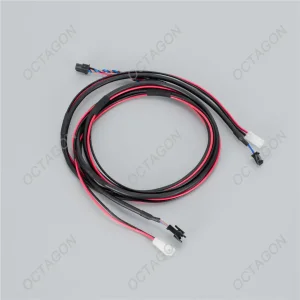
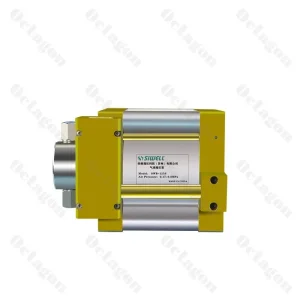
Beyond plastic molding, our plants integrate pneumatic boosters (SWP and SWB series) and internal wiring harness manufacturing. Buyers achieve comprehensive assembly-ready components from a single OEM partner.

Application Engineering Matrix

Localized Application Scenarios for Sub Gate Tooling

Sub-gating geometry must be calibrated specifically for melt flow viscosity, resin fiber loadings, and aesthetic specifications across discrete industrial sectors.

Medical Diagnostics & Microfluidics

Blood collection cartridges, surgical instrument handles, and micro-valves demand zero particulate generation. In-mold sub-gating ensures clean mechanical separation without plastic shedding or dusting typical of post-mold blade trimming.

Automotive Electronics & Sensor Housings

Under-the-hood smart sensor housings and ADAS camera bezels molded with 30–40% glass-filled polyamides (PA66-GF) employ hardened tungsten carbide sub gate inserts to withstand high-velocity abrasive resin wear.

Consumer Smart Hardware & Audio

Audio enclosures, speaker housings, and display bezels demand pristine Class-A cosmetic perimeters. Sub gates feed into invisible interior mounting bosses, completely concealing the entry point from end users.

Industry Evolution & Sourcing Governance

Technological Horizons & Global Procurement Demands

The injection molding tooling sector is rapidly transitioning toward digitized, cyber-physical automation where mold tooling is no longer a static mechanical block, but an instrumented subsystem within an automated smart factory.

Active In-Mold Cutting Mechanics

Transitioning from passive ejection-sheared sub-gates to active hydraulic/pneumatic in-mold cutting cylinders (with forces up to 7,000 kgf) guarantees micro-second gate truncation precisely before polymer solidification, yielding perfect mirror finishes.

Rigid Sourcing Compliance Protocols

International procurement directors audit supplier qualifications based on ISO 9001, IATF 16949, and complete material steel certification dossiers. Tool longevity guarantees must exceed 1,000,000 continuous molding cycles.

Digital Cavity Pressure Sensing

Smart sub-gate systems integrate miniature piezoelectric transducers near the gate orifice. Real-time melt pressure logging identifies short shots, flash, or gate freezing instantly, feeding data to automated sorting robots.

Engineering Knowledge Base

Frequently Asked Questions: OEM Sub Gate Tooling

Critical technical inquiries addressed by our senior mold design engineers for tooling directors and procurement officers.

How does a sub gate differ from a conventional edge gate?

A standard edge gate feeds material at the mold parting line, leaving an exterior vestige that requires manual or robotic clipping. A sub gate (tunnel gate) tunnels through the core/cavity block below the parting line, automatically shearing the gate during part ejection.

What is the recommended tunnel gate angle for high-elasticity polymers?

For standard rigid plastics (ABS, PC), angles typically range from 30° to 45°. For flexible elastomeric materials (PP, PE, TPE), a curved banana/cashew gate geometry (typically 60° to 75°) is mandatory to prevent gate stretching or tearing during ejection.

How does Octagon address gate wear caused by glass-filled resins?

For abrasives like PA66-GF30 or PBT-GF20, we fabricate sub gate inserts from micro-grain tungsten carbide or CPM 10V powdered metal, heat-treated to HRC 60–64, ensuring continuous dimensional stability beyond 1,000,000 shots.

What are the primary causes of sub gate pin breakage?

Pin fracture usually stems from insufficient draft angle on the tunnel cone, inadequate runner ejection stroke, or premature mold opening before complete gate freeze. Our DFM mold-flow simulations strictly calculate stress distribution before steel machining.

Can existing cold-runner molds be retrofitted with sub gates?

Yes. By utilizing standardized modular insert pockets, we can retrofit existing 2-plate cold-runner molds with sub gate or in-mold cutting inserts, drastically lowering labor expenditures without requiring a complete tool rebuild.

What quality documentation accompanies OEM exported tooling?

Every exported mold includes a comprehensive verification binder: full CMM steel inspection reports, steel heat-treatment certificates, mold flow simulation files, full 3D CAD/2D assembly drawings, and complete T1 shot parameter sheets with video documentation.

Component Sourcing Catalog · Precision Assemblies

Explore Allied Injection Tooling, Cables & Pumps

Direct factory manufacturing solutions supporting complete end-to-end industrial device production.